
 Completed
Strengthening Protective Environment for IDPs and host communities in White Nile
Strengthening Protective Environment for IDPs and host communities in White Nile
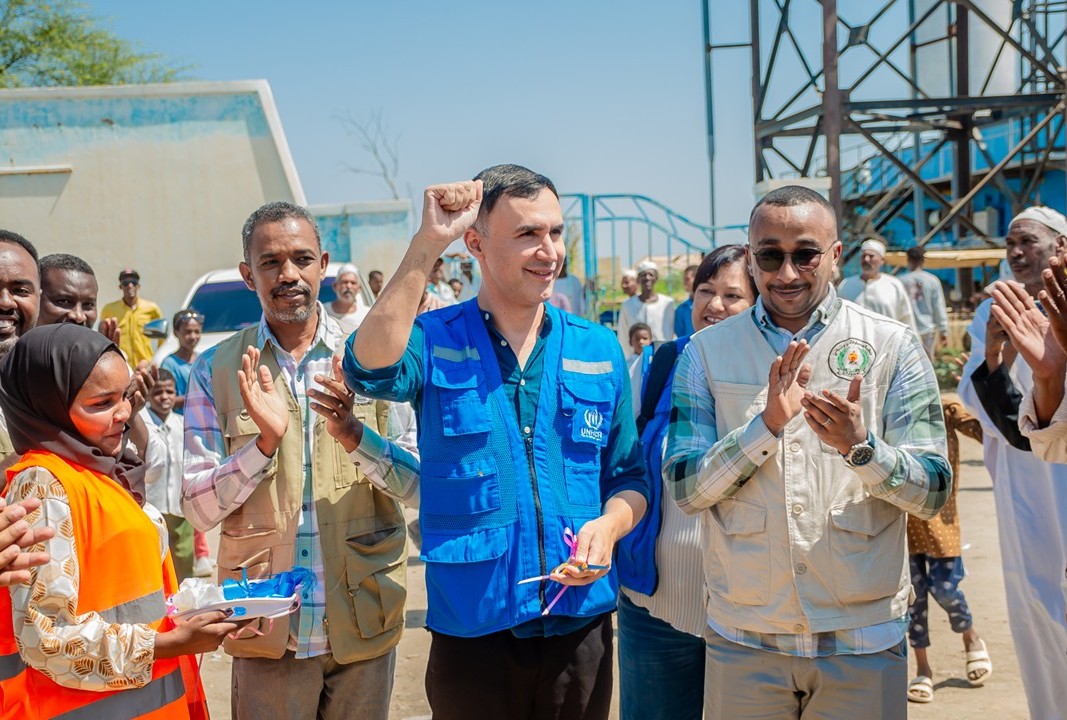
JASMAR Human Security Organization, in partnership with the United Nations High Commissioner for Refugees (UNHCR), implemented the project “Strengthening Protective Environment for IDPs and Host Communities in White Nile State.” The project covered Guli, Al-Jabalain, and Rabak localities and focused on strengthening community-based protection, improving access to protection services, supporting Community-Based Protection Networks (CBPNs), enhancing referral mechanisms, and establishing safe and inclusive community spaces for internally displaced persons (IDPs) and host communities.
Humanitarian Response
The conflict that erupted in Sudan in April 2023 exacerbated the humanitarian crisis and increased displacement, placing additional pressure on available resources and essential services in White Nile State. IDPs and host communities faced challenges accessing shelter, non-food items (NFIs), healthcare, and water, sanitation and hygiene (WASH) services, alongside heightened protection risks, including gender-based violence (GBV), child marriage, female genital mutilation (FGM), child labour, and school dropout. Access to mental health and psychosocial support (MHPSS) also remained limited. In response, the project focused on strengthening community participation, monitoring protection risks, identifying needs, and reinforcing community-level protection and response mechanisms.
Project Objective
The project aimed to strengthen the protective environment for IDPs and host communities in White Nile State by promoting community participation in identifying needs and priorities, building the capacity of Community-Based Protection Networks (CBPNs), improving referral mechanisms for child protection and GBV services, expanding access to case management services, and establishing Multi-Purpose Community Centres (MPCCs) to support protection and address locally identified needs.
Key Achievements
• Two Multi-Purpose Community Centres (MPCCs) were constructed and equipped in Alhedaib, Al-Jabalain locality, and Attawelah, Guli locality.
• Support was provided to 30 existing Community-Based Protection Networks (CBPNs), alongside the establishment of six additional networks, strengthening their capacity to monitor protection risks, identify Persons with Specific Needs (PSNs), and disseminate protection-related information.
• CBPN members and community centre staff were trained on core protection concepts, GBV, and safe referral principles. In addition, 30 humanitarian case management staff received case management training.
• A total of 150 protection monitoring visits were conducted across the targeted localities, reaching 6,710 IDPs and host community members. Four advocacy reports were produced, highlighting protection risks and priority needs.
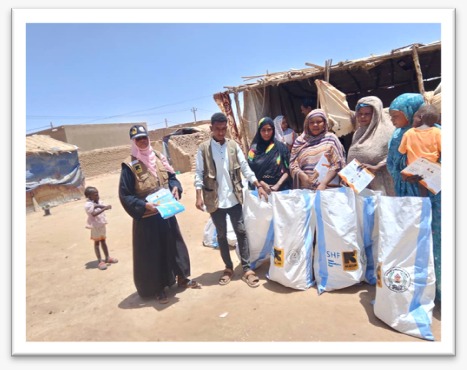
• Case management services were provided to 320 cases, and non-food items (NFIs) were distributed to 166 households in Rabak locality.
Impact on Beneficiaries
The project strengthened local communities’ capacity to identify and respond to protection risks and enhanced the participation of IDPs and host communities in identifying humanitarian priorities. Support and training provided to CBPNs improved their capacity to disseminate protection-related information, identify Persons with Specific Needs (PSNs), and facilitate safe referrals to available services. Protection monitoring and advocacy reports helped communicate community concerns and needs to government institutions and humanitarian actors, while case management services provided support to individuals whose needs were identified, contributing to broader efforts to improve access to protection services across the targeted localities.
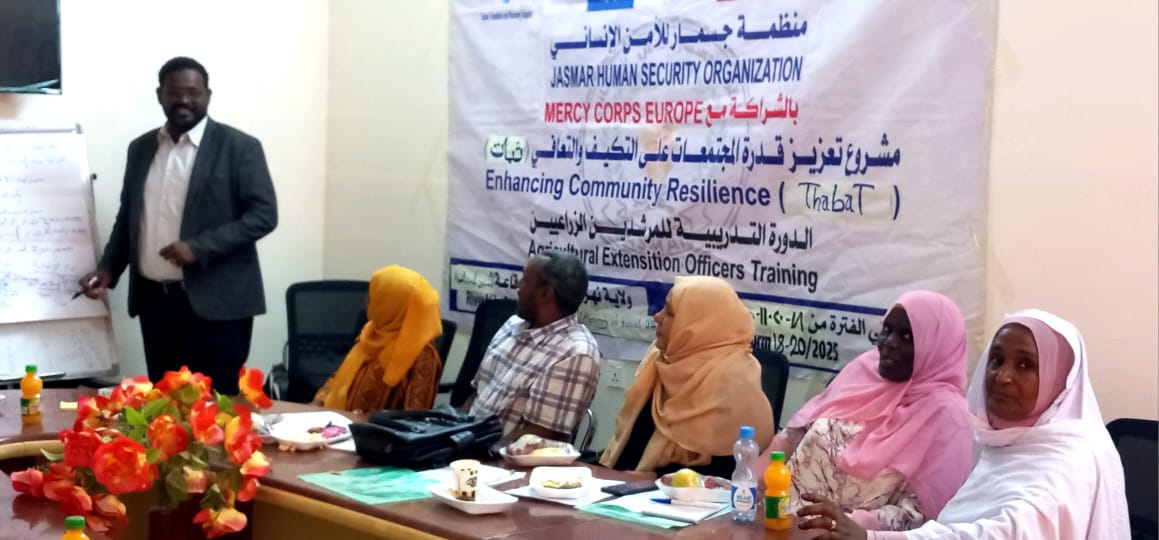
Enhancing Community Recilience (THABAT) Project
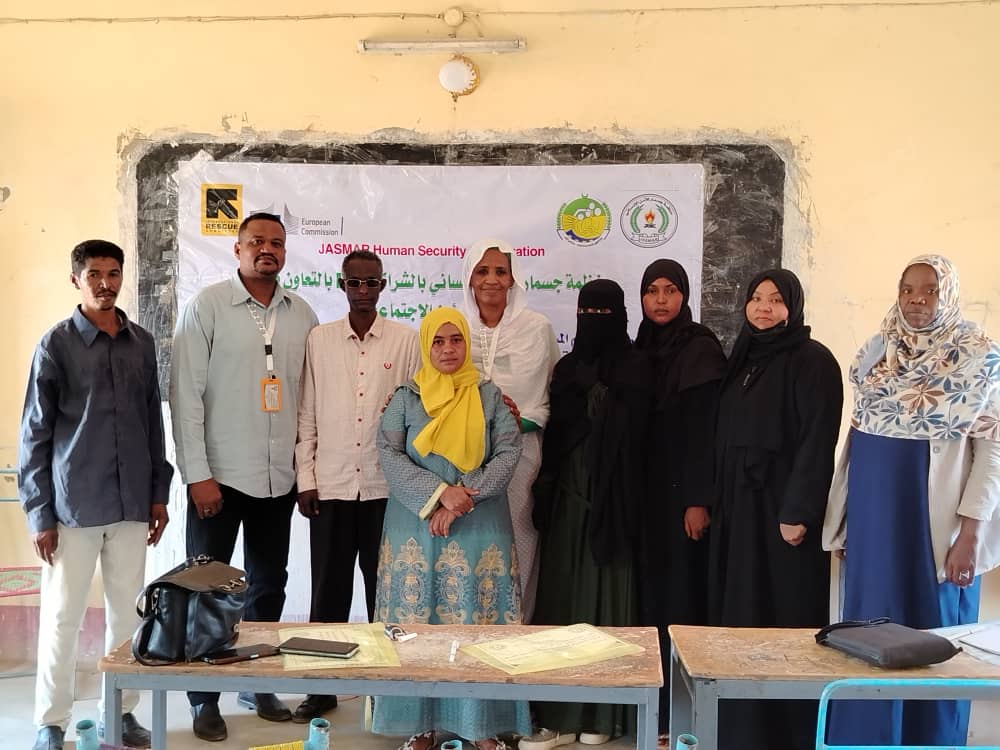
Providing life-saving emergency assistance through multi-sectoral response for t
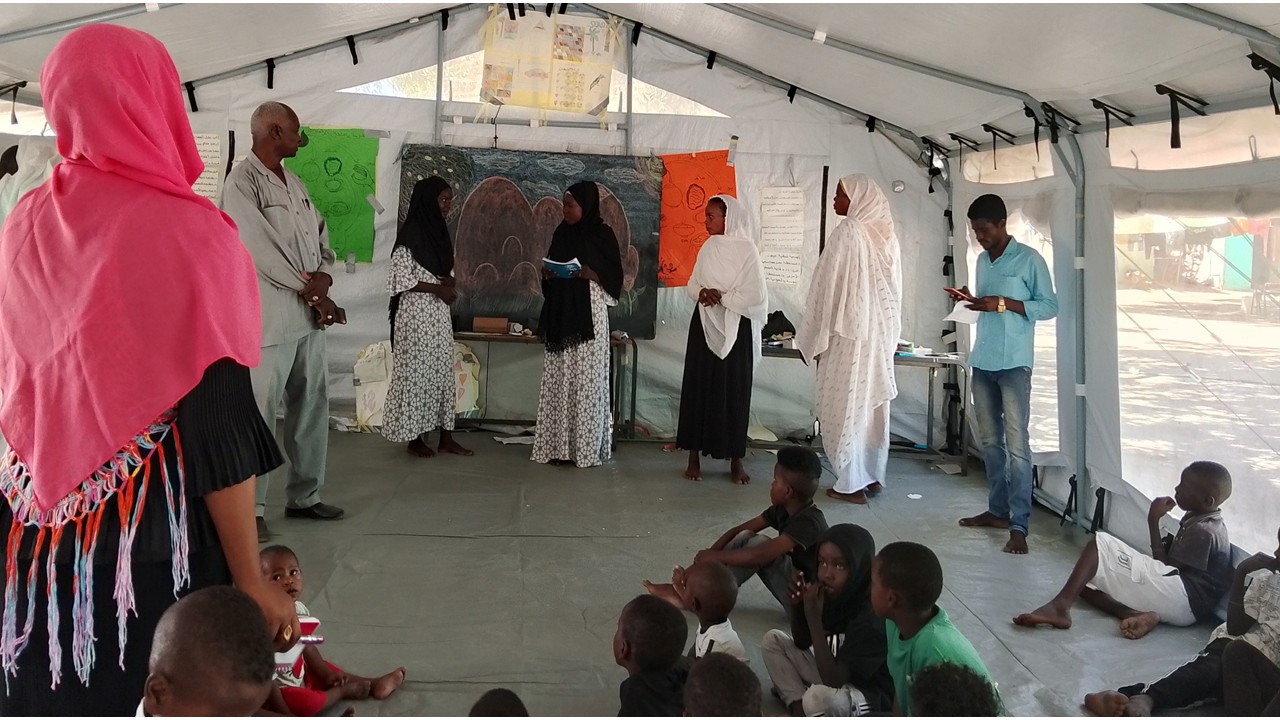
Promoting Safe and Child-Friendly Learning Spaces for Psychosocial Support
JASMAR Human Security Organization in partnership with UNICEFThe project aimed to provide safe, inclusive, and child-friendly learning environments for children...
Interested in supporting this project?
Join JASMAR and help us work for human prosperity and dignity across Sudan.