
 Completed
Life-sustaining Support towards Quality Education for South Sudanese Refugees
Life-sustaining Support towards Quality Education for South Sudanese Refugees
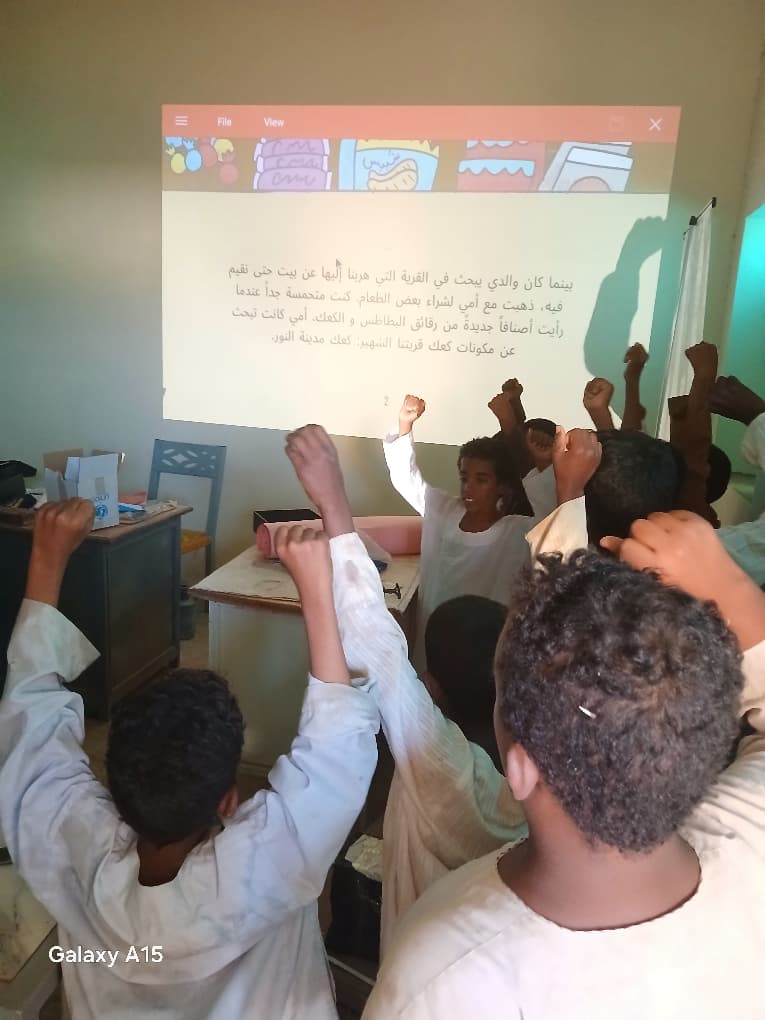
JASMAR Human Security Organization, in partnership with the Sudan Humanitarian Fund (SHF), implemented the Life-sustaining Support towards Quality Education project for South Sudanese refugee children in As Salam Locality, White Nile State, Sudan. The project aimed to improve vulnerable children's access to safe and quality education and sustain learning through a multi-sectoral approach addressing education quality, COVID-19 prevention, and Water, Sanitation and Hygiene (WASH).
Humanitarian Response
The project responded to the growing educational needs of South Sudanese refugee children in As Salam Locality, who faced challenges in accessing safe and adequate learning environments amid complex humanitarian conditions and limited resources in schools. The COVID-19 pandemic further challenged the continuity of education and the safety of students and teachers. These circumstances highlighted the need to provide educational and hygiene supplies, improve learning environments, and strengthen teachers' capacities to respond to emergencies, while integrating Child Protection and Gender-Based Violence (GBV) prevention and response measures into school settings.
Project Objective
The project aimed to improve vulnerable South Sudanese refugee children's access to safe, protective, and timely quality education in As Salam Locality through a multi-sectoral approach focusing on education quality, COVID-19 prevention and response, and improved Water, Sanitation and Hygiene (WASH) services in schools.
Key Achievements
• A Rapid Assessment was conducted across five refugee camps: Um-Sangor, Al-Rdaises 1, Al-Rdaises 2, Al-Kashafa, and Jorri, covering eight primary schools to identify educational needs and required interventions.
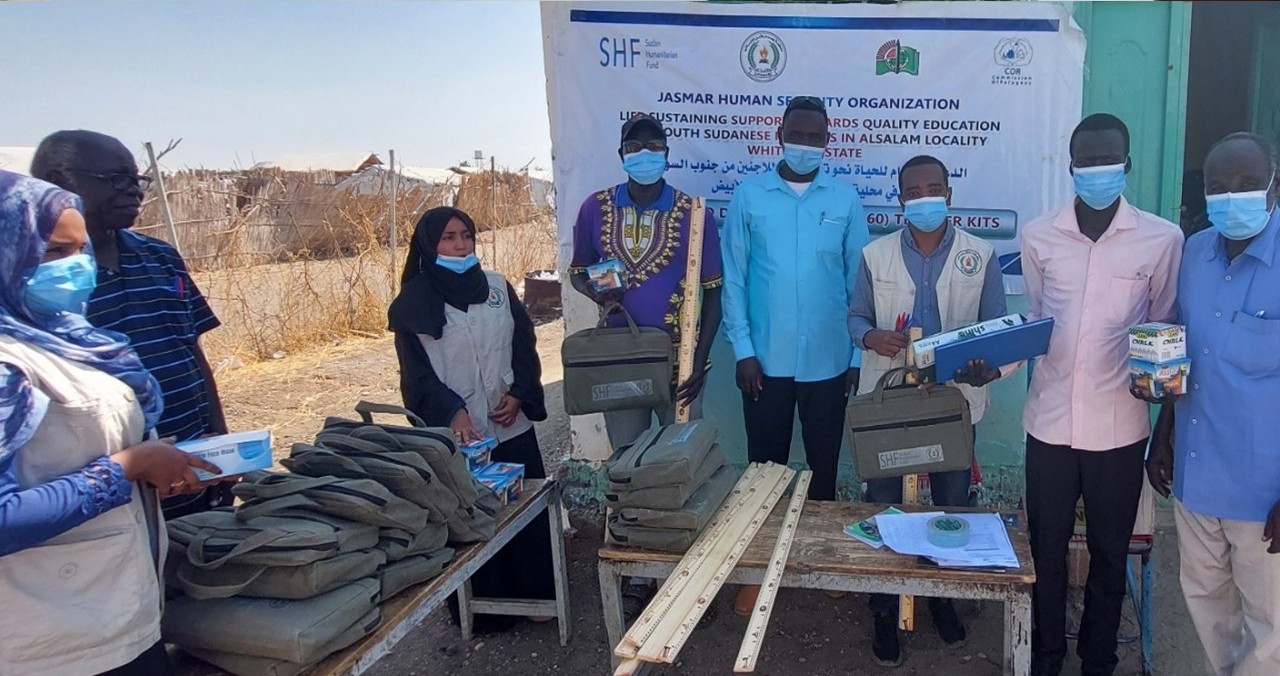
• A total of 32 teachers received Education in Emergencies (EiE) training, strengthening their capacity to sustain learning and respond to the educational and psychosocial needs of children affected by crises and conflicts. Additionally, 160 Teachers' Kits were distributed to support lesson preparation and improve learning environments.
• Sixteen Temporary Learning Spaces (TLS) were constructed and equipped with essential materials, including plastic mattresses, blackboards, and stationery, providing more suitable learning spaces for children.
• School uniforms were distributed to 32 children with disabilities (PWD), including 21 girls and 11 boys. In addition, 8,064 reusable fabric face masks were distributed to students and teachers in the targeted schools to help reduce the risk of infection.
• A total of 32 teachers received Training of Trainers (ToT) on Referral Pathways for Child Protection and Gender-Based Violence (GBV), leading to the establishment of eight referral pathways in the targeted schools to facilitate access to specialized protection services.
• Sixty-four awareness sessions on Child Protection and GBV were conducted in the targeted schools. Furthermore, nine project staff members received training on Protection from Sexual Exploitation and Abuse (PSEA), including its principles, reporting mechanisms, and JASMAR's related policies.
• A total of 6,899 School Kits were delivered to the eight targeted schools, alongside 9,784 Hygiene Kits, in the presence of school managers, teachers, Parent-Teacher Associations (PTAs), the Commission for Refugees (COR), and the Ministry of Education (MoE).
Project Impact
The project contributed to improving learning environments and expanding refugee children's access to safer and higher-quality education through the provision of Temporary Learning Spaces, educational materials, and capacity-building support for teachers. It also promoted inclusive education by providing school uniforms to children with disabilities and strengthened health prevention measures in schools through the distribution of reusable face masks and hygiene supplies. In terms of protection, the project enhanced teachers' capacities to identify Child Protection and GBV risks and refer cases to specialized services, contributing to safer and more protective school environments for refugee children.
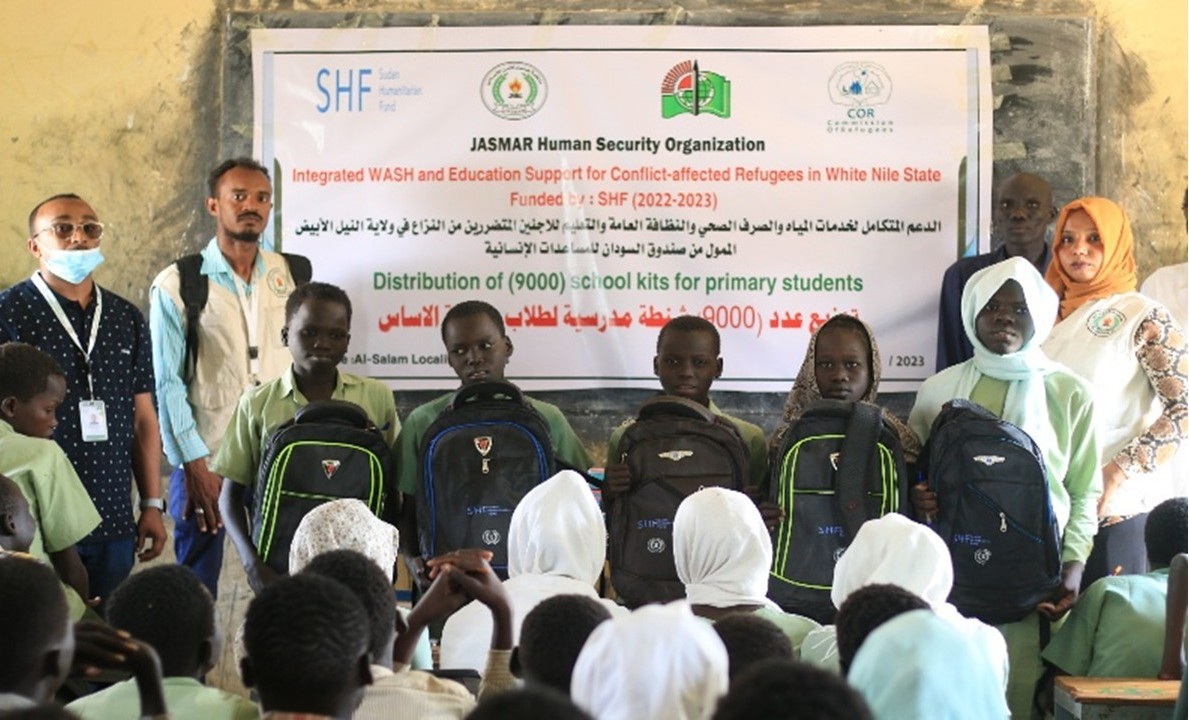
Integrated WASH and Education Support for Conflict-Affected Refugees
JASMAR Human Security Organization implemented the Integrated WASH and Education Support for Conflict-Affected Refugees in White Nile State project, with fundin...
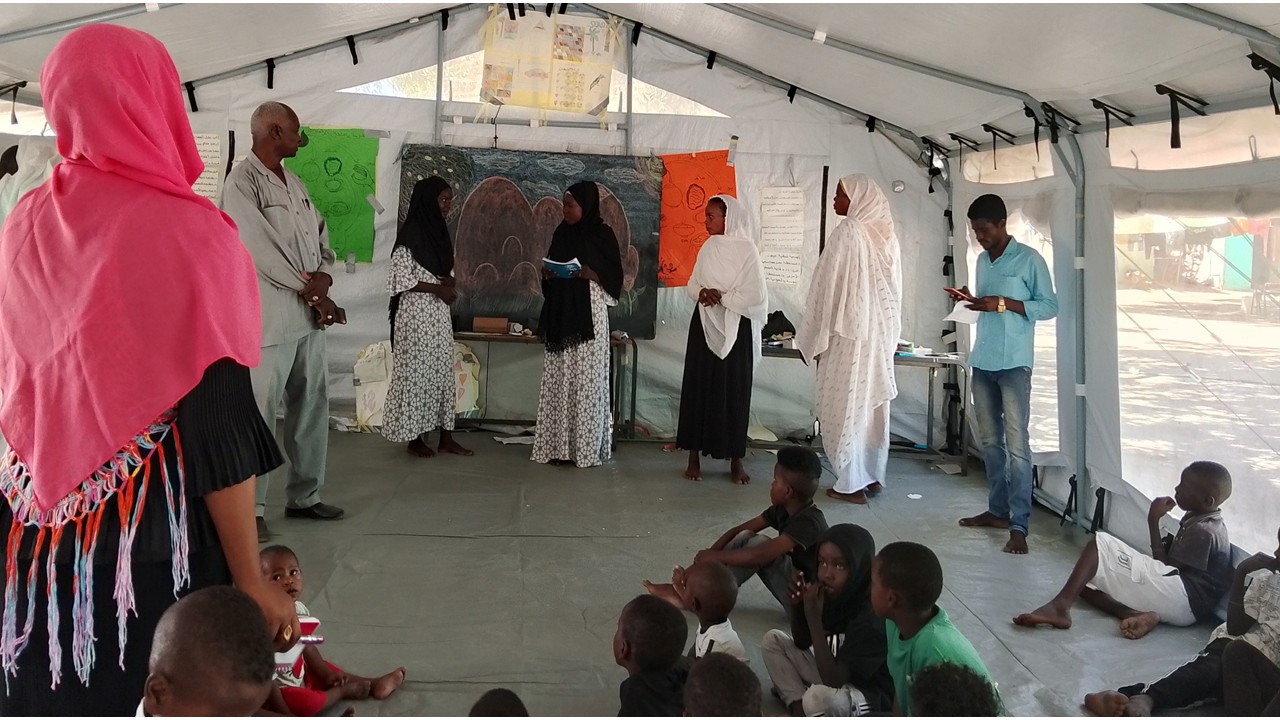
Promoting Safe and Child-Friendly Learning Spaces for Psychosocial Support
JASMAR Human Security Organization in partnership with UNICEFThe project aimed to provide safe, inclusive, and child-friendly learning environments for children...
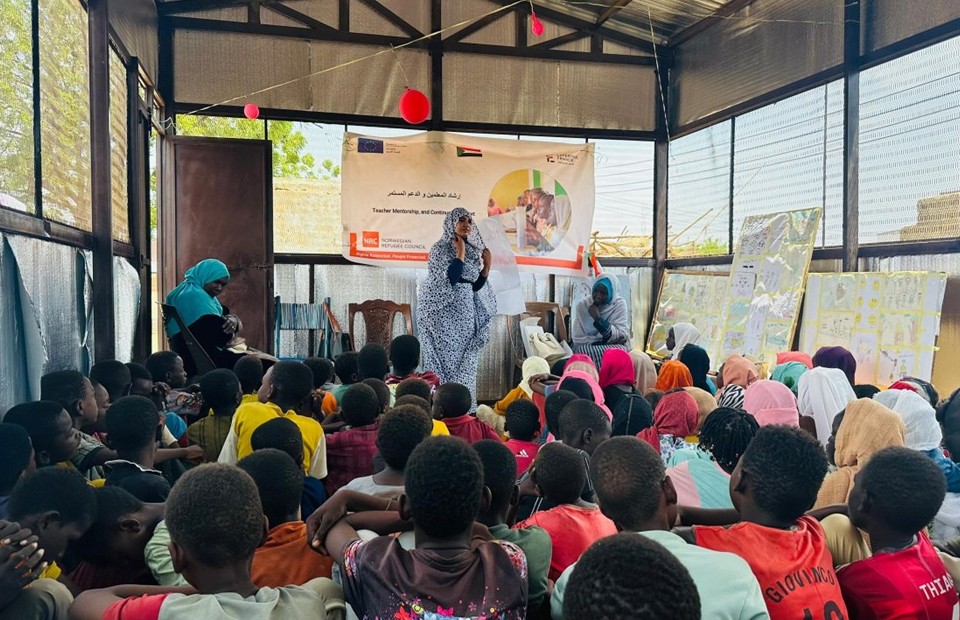
Education in Emergency Response – White Nile State
JASMAR Human Security Organization, in partnership with the Norwegian Refugee Council (NRC) and in collaboration with the Ministry of Education (MOE), implement...
Interested in supporting this project?
Join JASMAR and help us work for human prosperity and dignity across Sudan.