
.jpeg) Ongoing
Building Resilience to Improve Development and Growth in the Education Sector in
The project aims to enhance equitable access to quality, safe, and inclusive edu
In Partnership with PLAN International and in Coordination with the Ministry of Education
Funded by the Global Partnership for Education (GPE)
Project: Building Resilience to Improve Development and Growth in the Education Sector in Sudan - "BRIDGES"
Introduction:
The project aims to enhance equitable access to quality, safe, and inclusive education in 40 schools in Jabal Awliya Locality. It focuses on improving school management, enhancing the quality of teaching and learning, supporting non-formal education pathways, and strengthening child protection mechanisms and community participation.
Project Duration:
From June 1 to November 30, 2026
Project Budget:
121,928 USD
Key Achievements:
The number of beneficiaries in the project reached more than 2000 beneficiaries
Project Activities:
1. Strengthening school-based management through school improvement planning and scholarships
a. Training center members, assistants, and the parent board on comprehensive SIP development, self-assessment, and financial management, ensuring priorities reflect gender, disability, and protection needs.
b. Conducting participatory assessments with communities, learners, and teachers to identify priority needs.
2. Providing support to the school, teachers, and students
a. Distribution of dignity bags to teenage girls to support menstrual hygiene management, reduce school absenteeism, and promote safe, inclusive, and enabling learning environments.
b. Distributing educational supplies available to teachers to ensure they receive the necessary materials to deliver high-quality education to all learners.
3. Enhancing resilience through school-wide continuity and emergency planning
a. Organizing community consultation workshops in every school to reshape and revitalize parent associations and ensure inclusive membership (parents, teachers, learners, women, and marginalized groups) to represent the school community.
b. Training Parent Association /School Management Committee members on school governance, child protection, safe school protocols, prevention of gender-based violence, inclusive education practices, and positive discipline.
c. Organizing community workshops on children's rights, positive discipline, disaster risk reduction, prevention of gender-based violence, and reporting mechanisms.
d. Distribution of dignity bags to teenage girls to support the management of menstrual hygiene, reduce absenteeism, and promote safe, inclusive, and enabling learning environments.
e. Conduct a participatory discussion session with learners, parents, and community leaders to identify risks (natural hazards, violence, unsafe roads), available preventive resources, and maintain school risk records.
f. Conducting community dialogues with mayors/elders to promote positive social norms that reduce violence, harmful practices, and discrimination, while promoting school safety as a shared responsibility.
4. Operating non-formal education centers/safe learning spaces aligned with improvement plans
a. Providing ALP learning aids for learners enrolled in informal/make-up classes.
b. Providing teaching supplies for alternative education facilitators.
c. Training teachers in learner-focused teaching methods and accelerated learning.
d. Building teachers' capacities through training in positive discipline, basic psychological support methods and inclusive education practices, prevention of gender-based violence, child protection principles, and skills to identify and refer children in distress.
5. Training teachers and facilitators at the school level using professional trainers or guides, equipping them with the necessary skills to deliver corrective teaching to the natural union, and using learner-focused and activity-based teaching strategies.
a. Identifying targeted teachers and facilitators across formal and informal schools for training in grades one, two, and three. - Facilitating planning workshops at the state level.
b. Continuous training from master's trainers to teachers in literacy and arithmetic education, learner-level grouping and differentiated teaching strategies; inclusive teaching practices for children with disabilities and marginalized learners; positive discipline, classroom management, and school integration; psychosocial support and referral mechanisms for learners in distress.
c. Providing training manuals and other materials for trained teachers for continuous use.
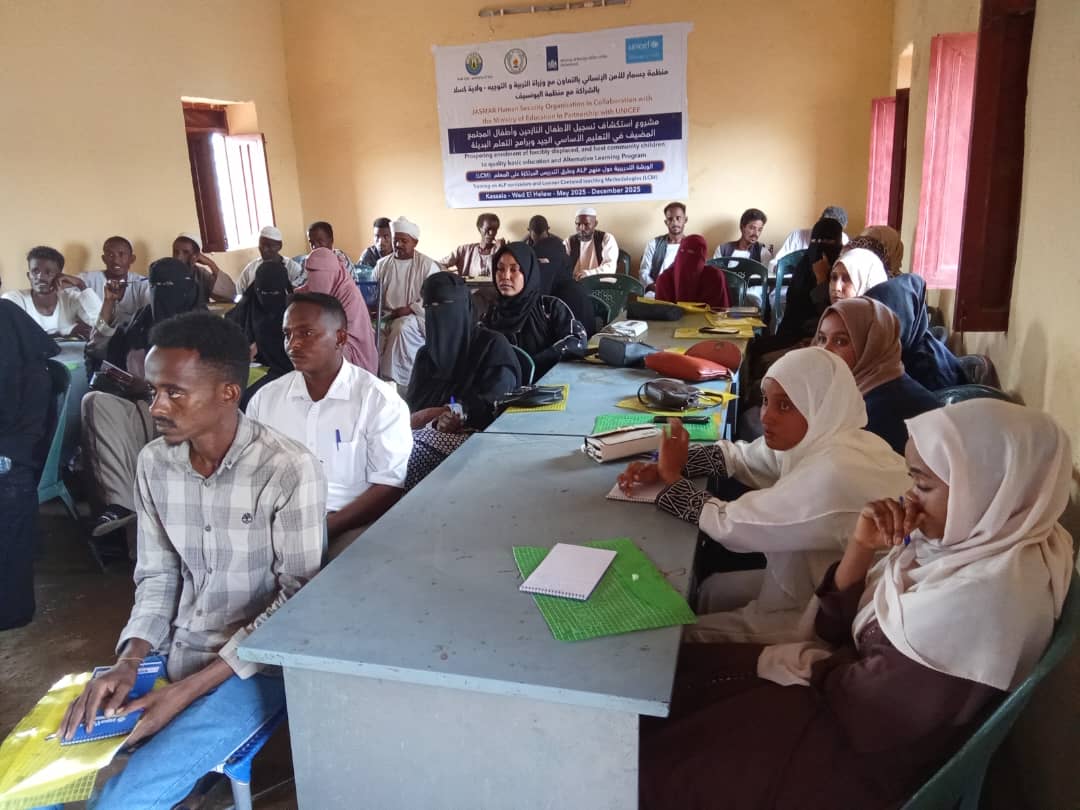
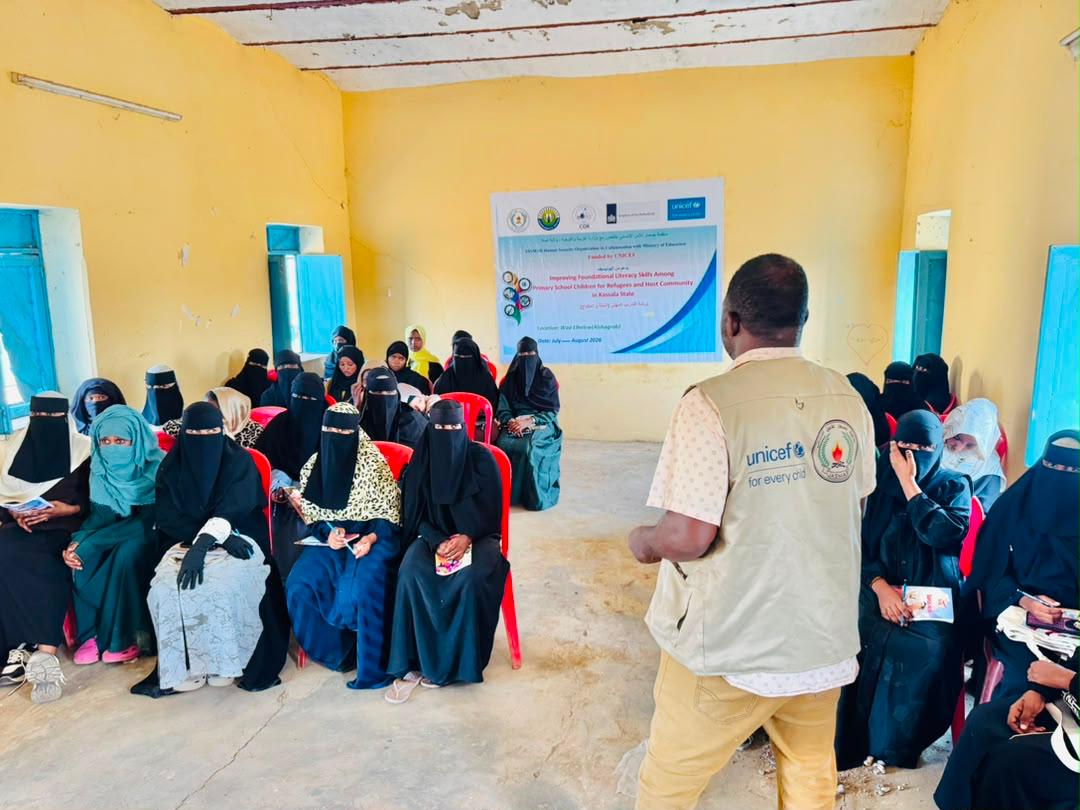
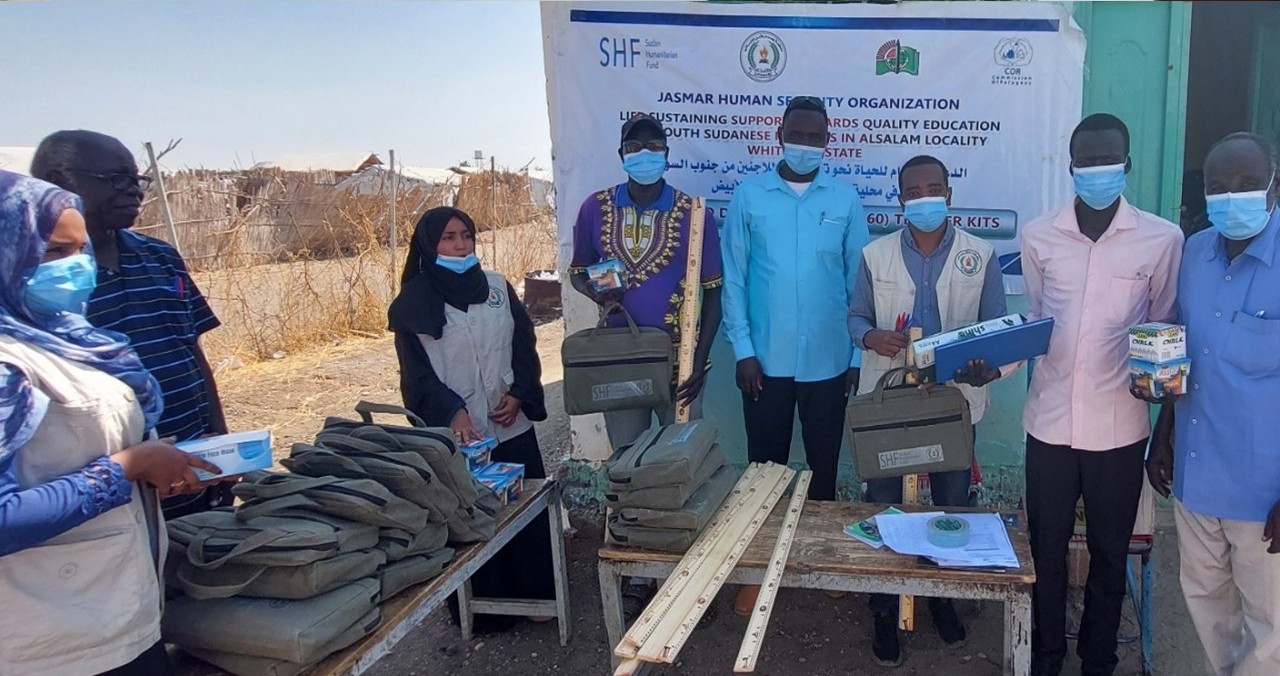
Life-sustaining Support towards Quality Education for South Sudanese Refugees
JASMAR Human Security Organization, in partnership with the Sudan Humanitarian Fund (SHF), implemented the Life-sustaining Support towards Quality Education pro...
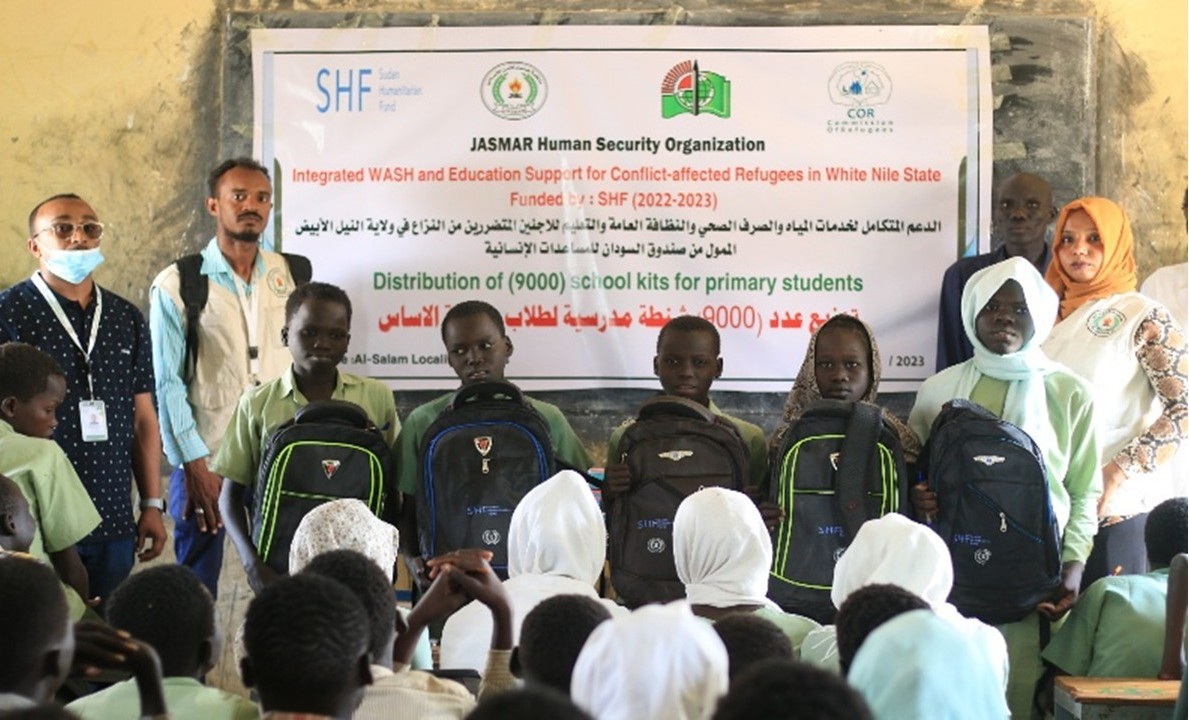
Integrated WASH and Education Support for Conflict-Affected Refugees
JASMAR Human Security Organization implemented the Integrated WASH and Education Support for Conflict-Affected Refugees in White Nile State project, with fundin...
Interested in supporting this project?
Join JASMAR and help us work for human prosperity and dignity across Sudan.