
 Completed
Emergency Flood Response in Al-Jabalain Locality
Emergency Flood Response in Al-Jabalain Locality
JASMAR Human Security Organization, with support from the Sudan Humanitarian Fund (SHF), implemented the Emergency Flood Response Project in Al-Jabalain Locality, White Nile State, Sudan. The project aimed to address the urgent humanitarian needs of flood-affected communities and improve their access to essential Water, Sanitation and Hygiene (WASH) services.
Humanitarian Response
The project responded to the urgent humanitarian needs of communities affected by flooding in Al-Jabalain Locality, where the floods disrupted living conditions and increased the need for safe drinking water, sanitation, and hygiene services. The resulting environmental conditions also heightened the risk of vector-borne diseases, highlighting the need for immediate vector control interventions, improved solid waste management, and increased hygiene awareness. These challenges also underscored the importance of strengthening community capacities to manage WASH services and respond to emerging needs.
Project Objective
The project aimed to reduce the health and environmental risks associated with flooding and improve access to safe drinking water, sanitation, and hygiene services for affected communities. This was achieved through the provision of essential assistance, implementation of vector control campaigns, and strengthening the capacities of community-based WASH Committees to promote community participation and sustainability.
Key Achievements
- A Rapid Assessment was conducted in the 10 most flood-affected locations in Al-Jabalain Locality, in coordination with the Humanitarian Aid Commission (HAC), the Ministry of Health, and local authorities, covering Kilo 8 and Kilo 4 areas.
- Eighteen community WASH Committees were established across 18 communities, and 180 committee members received training through 18 training rounds, each lasting six days, to strengthen their capacities in project and community service management.
- Vector Surveillance activities were conducted in collaboration with local health authorities, followed by six Vector Control campaigns in the targeted communities. Additionally, 72 hygiene awareness-raising campaigns were conducted to promote improved hygiene and public health practices.
- A total of 4,000 Hygiene Kits were distributed to 4,000 individuals, alongside 6,000 pieces of soap distributed to 6,000 households. Furthermore, 18 solid waste bins and related equipment were provided to improve waste management in the targeted communities.
- Five water bladders were provided to the most affected communities, and 80 water trucking operations were carried out to improve access to safe water. In addition, 20 water quality tests were conducted, and the Kilo 8 Water Station was rehabilitated.
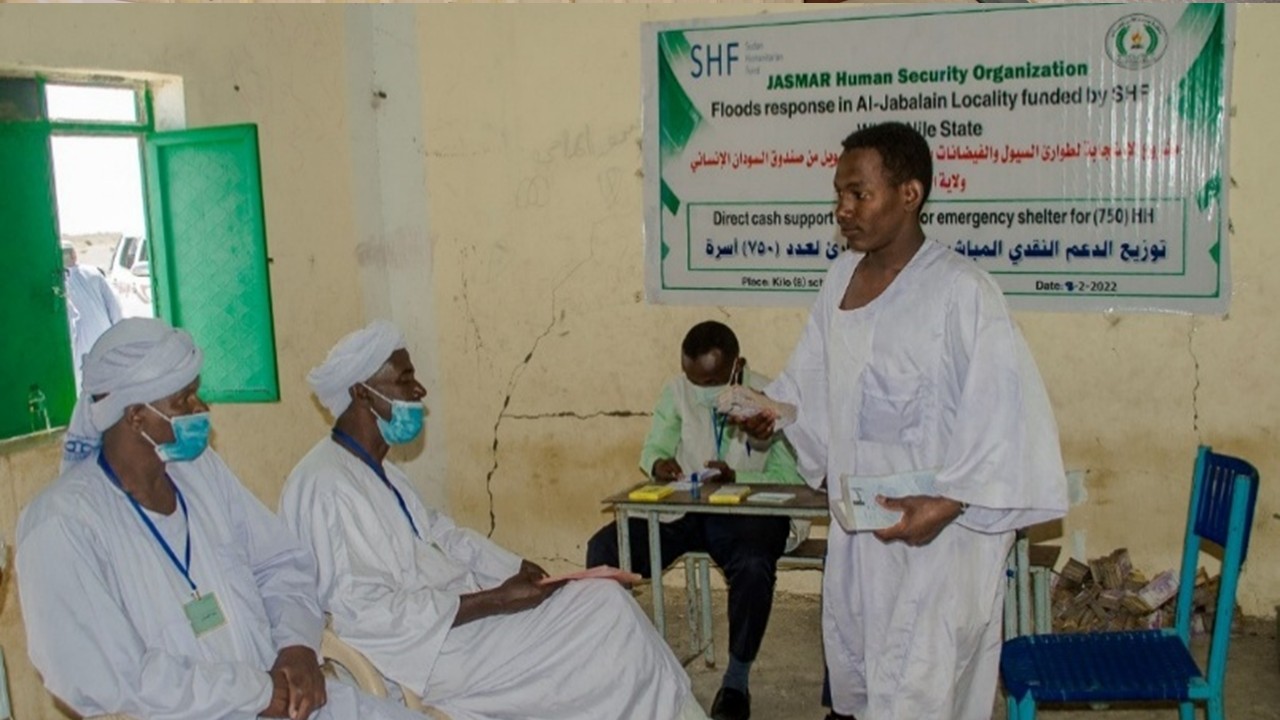
- A total of 750 vulnerable individuals were selected to receive financial support towards the construction of sanitation facilities (ES), contributing to improved sanitation access and reduced health and environmental risks in affected communities.
Project Impact
The project contributed to improving access to safe drinking water and essential hygiene supplies for flood-affected communities, while strengthening public health and environmental conditions through vector control campaigns and improved solid waste management. The rehabilitation of Kilo 8 Water Station, alongside water trucking and the provision of water bladders, helped improve water availability in the most affected communities. Furthermore, the establishment and training of community WASH Committees strengthened local participation and capacities in managing essential services and responding to community needs, contributing to reduced health risks and enhanced community recovery following the floods.
Life-sustaining Support towards Quality Education for South Sudanese Refugees
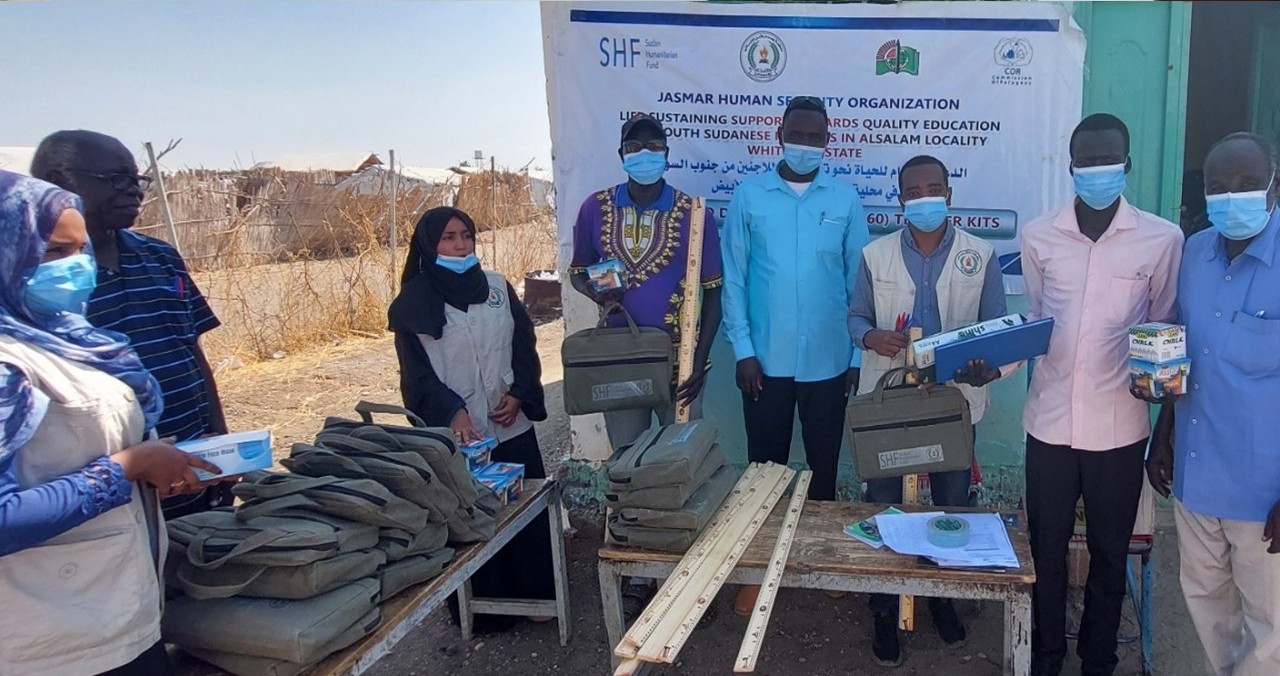
JASMAR Human Security Organization, in partnership with the Sudan Humanitarian Fund (SHF), implemented the Life-sustaining Support towards Quality Education pro...
Multi-Sectoral Response in WASH, Education, and Child Protection
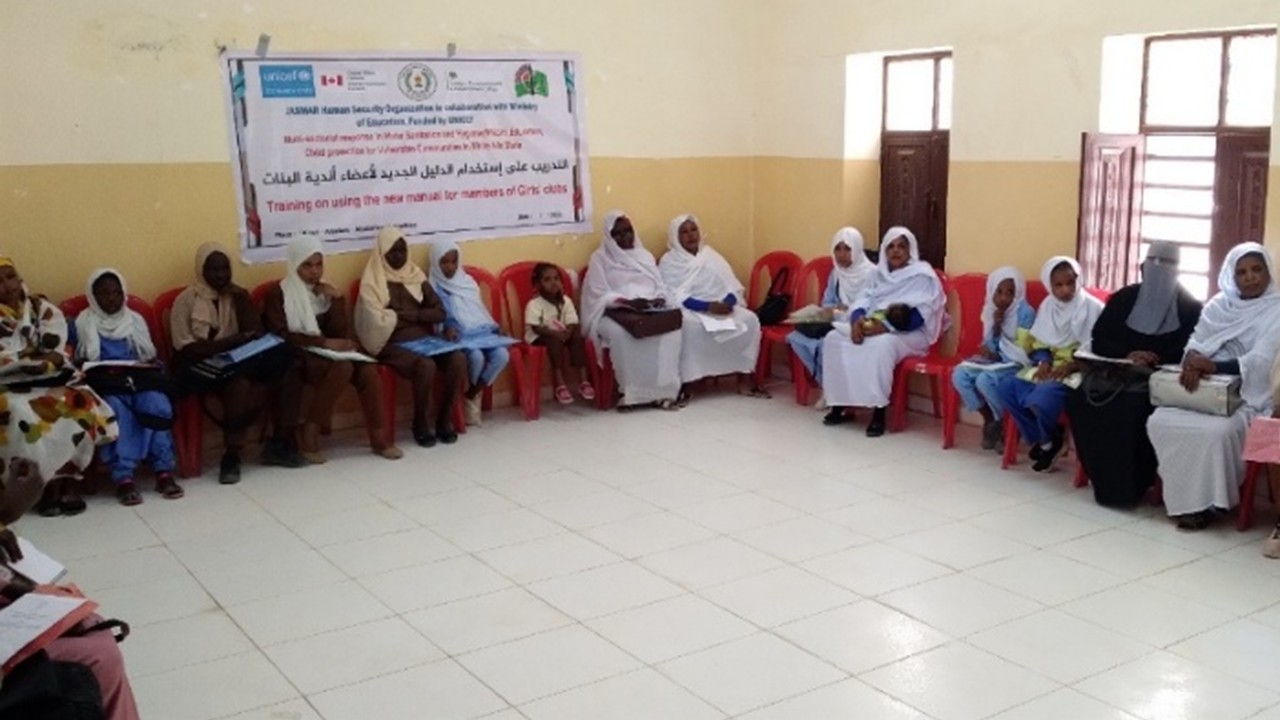
Multi-Sectoral Response in Water, Sanitation and Hygiene (WASH), Education, and Child Protection (CP) for Vulnerable Communities in White Nile State, SudanJASMA...
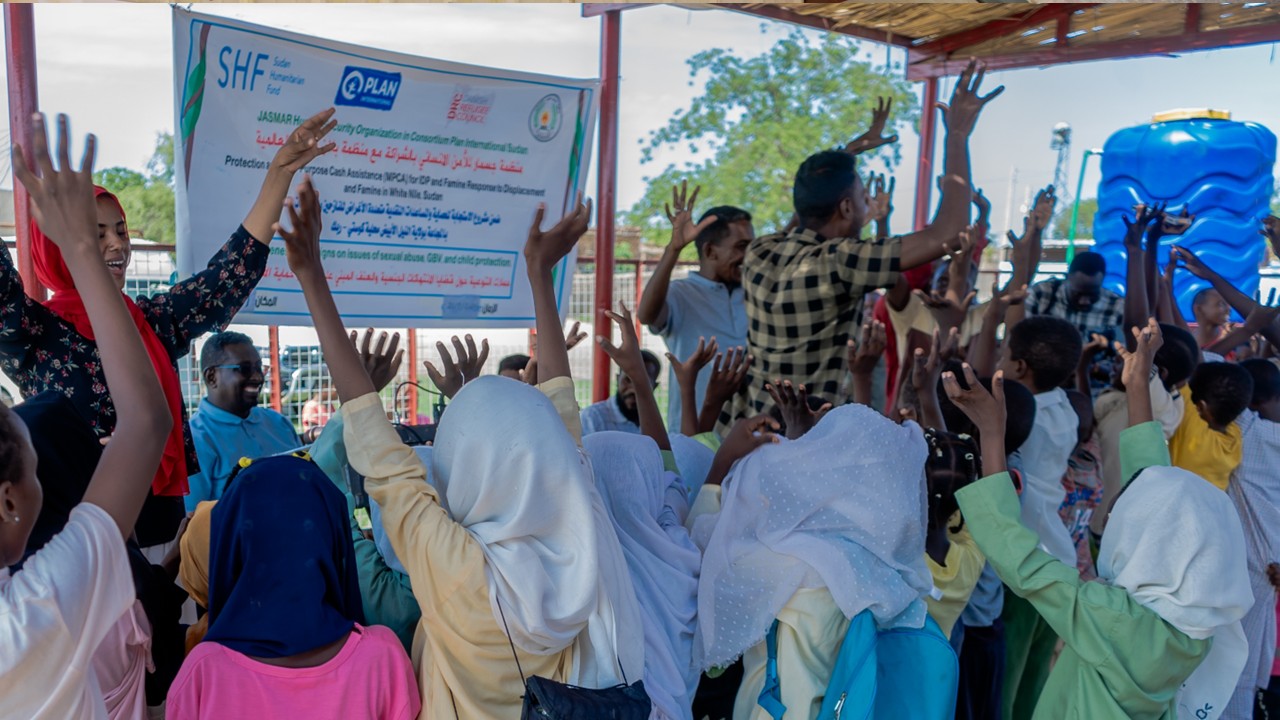
Protection and MPCA Emergency Response to Displacement and Famine
JASMAR Human Security Organization, in consortium with Plan International and the Danish Refugee Council (DRC), implemented the Protection and Multi-Purpose Cas...
Interested in supporting this project?
Join JASMAR and help us work for human prosperity and dignity across Sudan.