
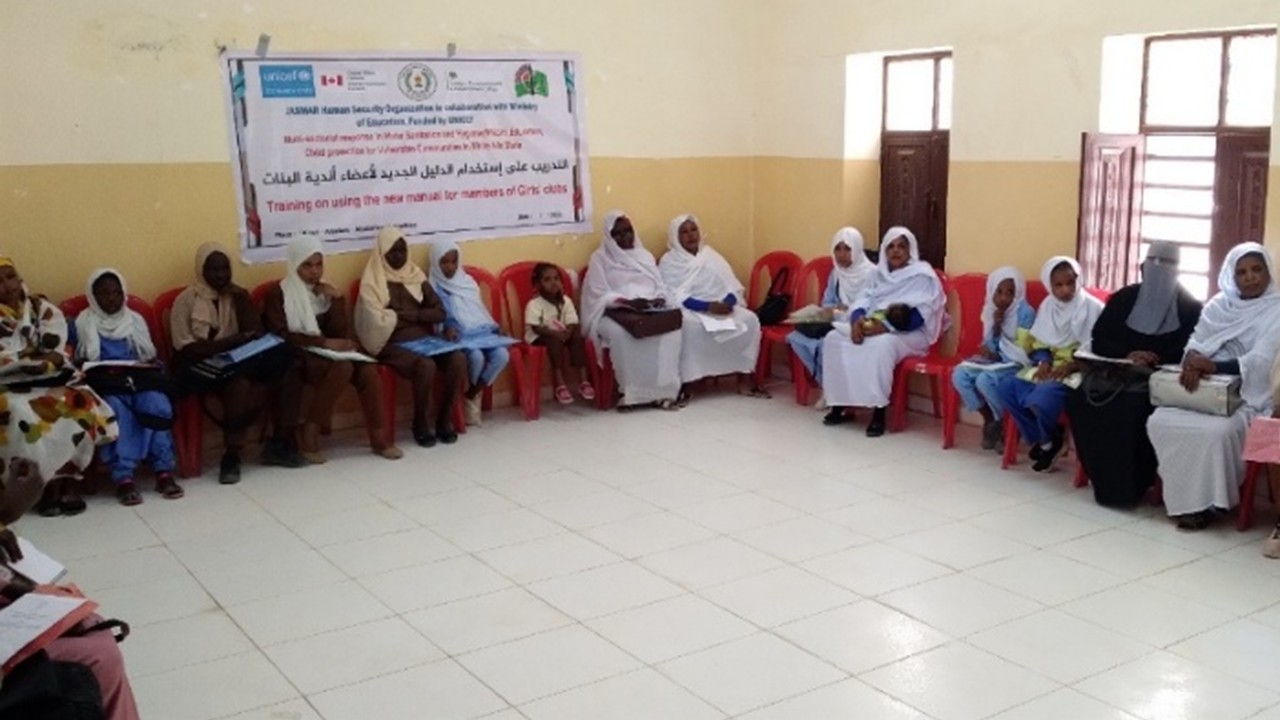
 Completed
Multi-Sectoral Response in WASH, Education, and Child Protection
Multi-Sectoral Response in WASH, Education, and Child Protection
Multi-Sectoral Response in Water, Sanitation and Hygiene (WASH), Education, and Child Protection (CP) for Vulnerable Communities in White Nile State, Sudan
JASMAR Human Security Organization, in partnership with the United Nations Children's Fund (UNICEF), implemented a multi-sectoral response project addressing the needs of vulnerable communities in Water, Sanitation and Hygiene (WASH), Education, and Child Protection (CP) across Al-Jabalian, Al-Salam, Kosti, and Tandalti localities in White Nile State, Sudan. The project aimed to improve equitable access to quality basic services for vulnerable communities.
Humanitarian Response
The project responded to the growing needs of vulnerable communities in White Nile State, which faced challenges in accessing water, sanitation, hygiene, and education services, alongside limited educational opportunities for out-of-school children. These challenges highlighted the need to promote proper hygiene practices, strengthen the management of water and sanitation services in communities and schools, expand access to alternative learning opportunities, and support community initiatives that promoted girls' education and protection. Through an integrated multi-sectoral approach, the project addressed these needs and worked to improve equitable access to essential services.
Project Objective
The project aimed to improve equitable access to quality basic services for vulnerable communities through an integrated response across the Water, Sanitation and Hygiene (WASH), Education, and Child Protection (CP) sectors, while strengthening the capacities of local institutions and community structures to manage and sustain these services.
Key Achievements
1. Water, Sanitation and Hygiene (WASH)
• Six Health Promotion Clubs were established, and 60 participants received training on their management. In addition, 48 hygiene awareness-raising campaigns were conducted in close coordination with the Health Promotion Department of the Ministry of Health and Social Development.
• A total of 100 community leaders and hygiene promoters were trained in Community-Led Total Sanitation (CLTS). Additionally, 10 WASH committees were established and 100 participants trained in their management, while 10 Safe Water Planning and Management Committees were established and 100 participants trained in Tandalti locality.
• A total of 3,000 soap kits, each containing 12 pieces of soap, were distributed among individuals in 10 communities. Community verification activities resulted in the certification of eight communities as Open Defecation Free (ODF).
• Community pre-triggering and triggering activities were conducted in 10 communities, resulting in the establishment of 10 Sanitation Action Groups (SAGs). Follow-up, supervision, and verification visits were also conducted, alongside five ODF celebration events in Um Keitirat, Um Hajer, and Batran communities.
2. Education
• Eighteen facilitators received refresher training on registration and community mobilization. In addition, orientation and planning sessions were conducted for 50 Ministry of Education staff at state and locality levels, alongside community representatives, focusing on enrolment campaign planning and the identification and registration of out-of-school children (OOSC).
• Enrolment campaigns were conducted in Al-Jabalian, Al-Salam, and Tandalti localities, resulting in the registration of 4,235 out-of-school children in 25 Alternative Learning Programme (ALP) centres. Incentives were also provided to 63 volunteer teachers for nine months.
• Nine joint monitoring visits were conducted with Ministry of Education staff to 25 ALP centres, while 2,848 ALP students sat for examinations to qualify for transition into formal primary education.
• A total of 3,000 school kits and learning materials, 2,000 ALP textbooks, 1,500 school uniforms, 32 recreational kits, and 50 teachers' kits were distributed to support learning activities in the targeted ALP centres and schools.
3. Girls' Education and Community Structures (Child Protection)
• The Girls' Clubs Manual was endorsed through a workshop attended by 30 stakeholders. Additionally, 10 staff members from the Girls' Education Departments at state and locality levels received database management training.
• A total of 480 Salema Girls Clubs focal points and members, including 240 focal points and 240 club members, were trained through 12 training rounds in Kosti, Al-Jabalian, and Al-Salam localities. Five additional Girls' Clubs were established in Tandalti locality, with their focal points and members receiving training.
• Stationery and educational materials, including pens, posters, scissors, and other supplies, were distributed to 130 Girls' Clubs. The Girls' Education Department office at the state level was also rehabilitated, and stationery was provided to Girls' Education Departments at state and locality levels in the targeted areas.
• Nine joint monitoring visits were conducted with Girls' Education Departments at state and locality levels to follow up on the activities and performance of Girls' Clubs.
Project Impact
The project contributed to improving vulnerable communities' access to WASH and education services while promoting better hygiene practices and strengthening community participation in the management of water and sanitation services. It expanded educational opportunities for out-of-school children through Alternative Learning Programme centres and supported their transition into formal primary education. Through its support to Girls' Clubs and local education structures, the project also strengthened institutional and community capacities and expanded opportunities for girls' participation in educational and community activities. Overall, these interventions contributed to more equitable access to essential services and improved learning and hygiene environments across the targeted communities.
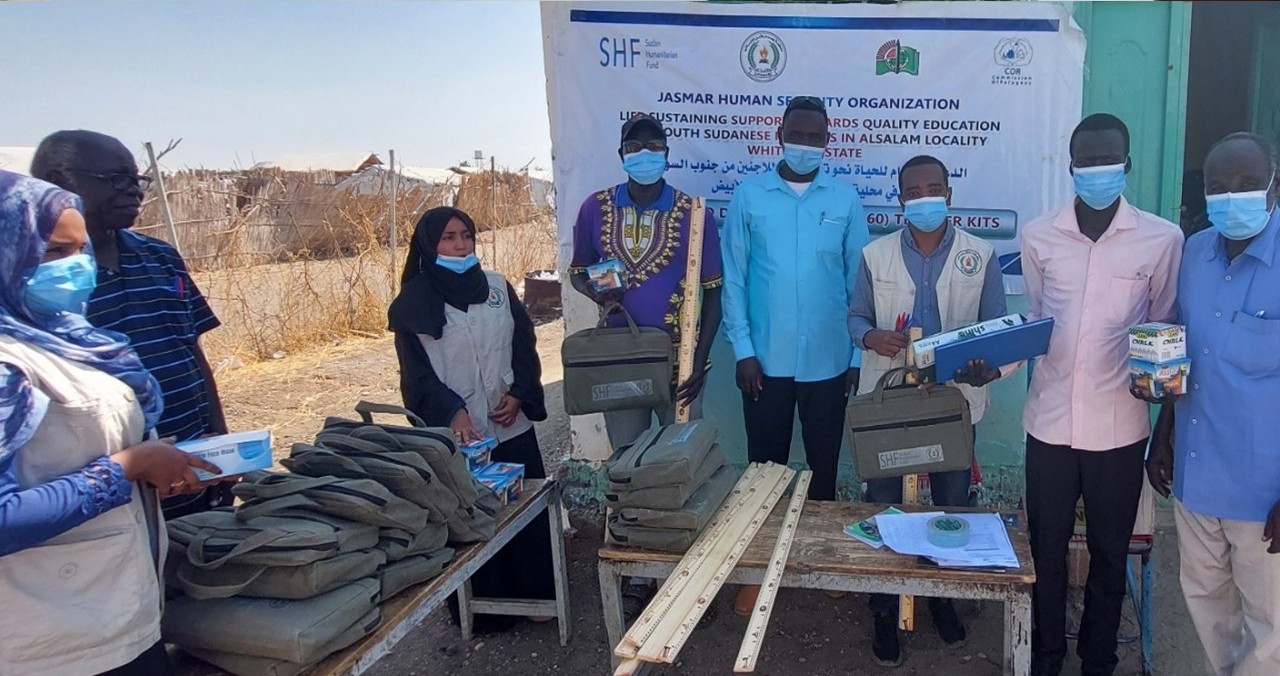
Life-sustaining Support towards Quality Education for South Sudanese Refugees
JASMAR Human Security Organization, in partnership with the Sudan Humanitarian Fund (SHF), implemented the Life-sustaining Support towards Quality Education pro...
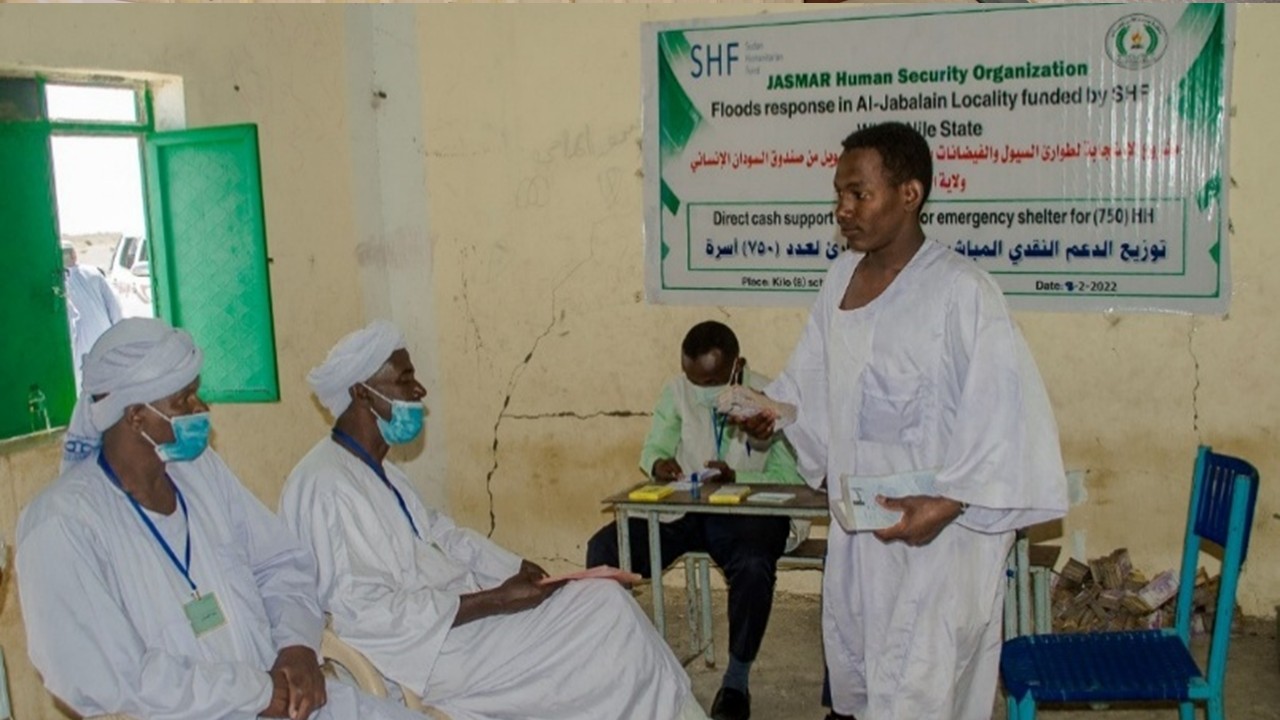
Emergency Flood Response in Al-Jabalain Locality
JASMAR Human Security Organization, with support from the Sudan Humanitarian Fund (SHF), implemented the Emergency Flood Response Project in Al-Jabalain Localit...
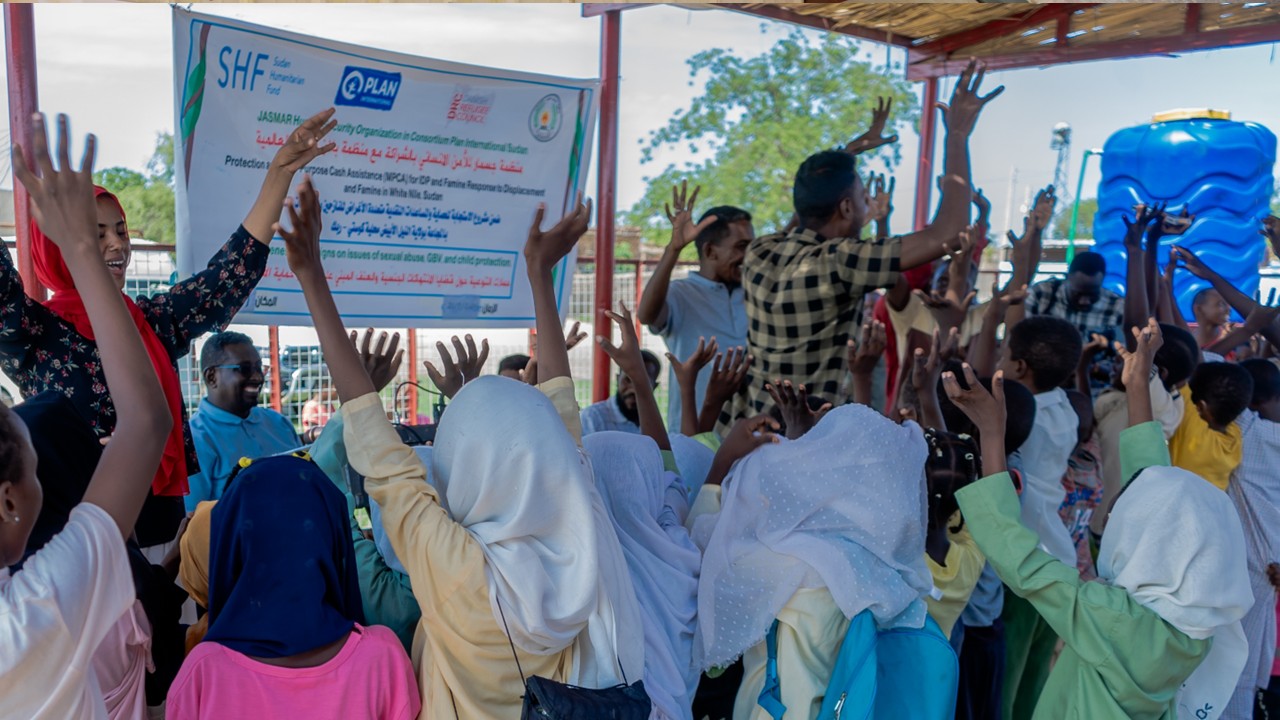
Protection and MPCA Emergency Response to Displacement and Famine
JASMAR Human Security Organization, in consortium with Plan International and the Danish Refugee Council (DRC), implemented the Protection and Multi-Purpose Cas...
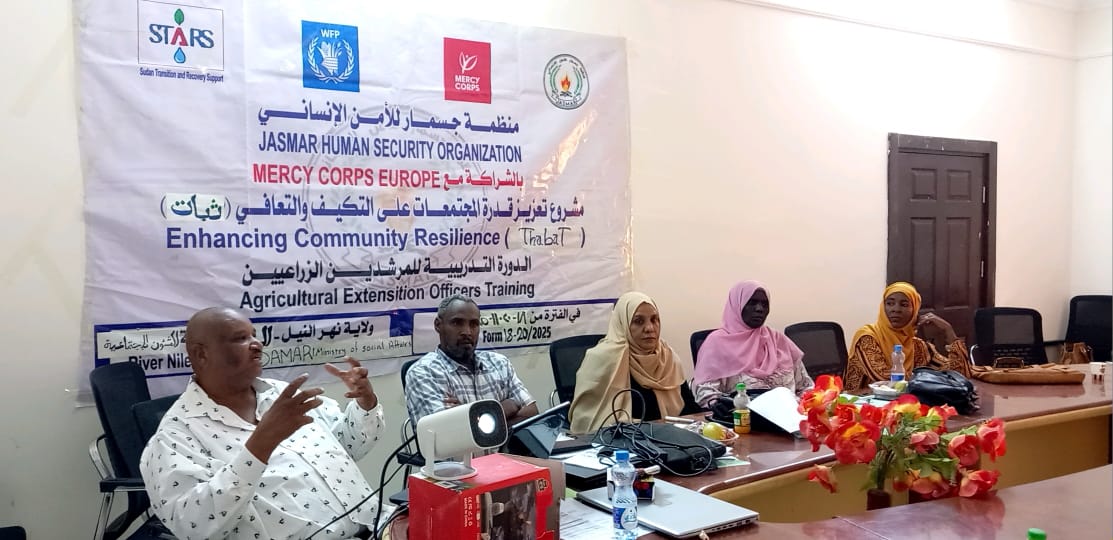
Enhancing Community Resilience (THABAT) Project
Interested in supporting this project?
Join JASMAR and help us work for human prosperity and dignity across Sudan.