CETs Training Abu - Hamed Locality Enhancing Community Resiliance (THABAT 2) Project
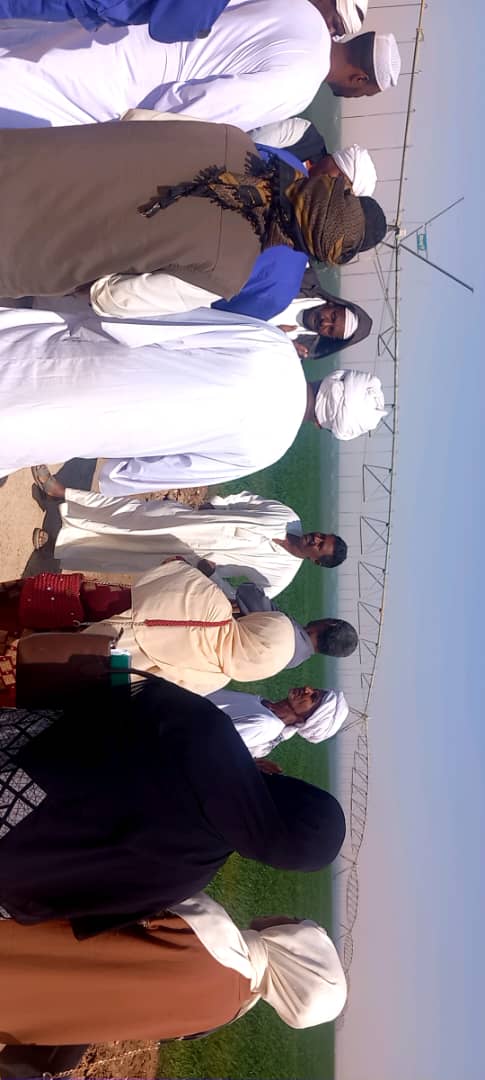
As part of the project’s complementary activities, a field visit to DAL Group was conducted on 14 January 2026 to explore modern technologies in water management and agricultural irrigation. The visit included an introduction to center-pivot irrigation systems, drip irrigation systems, and a water treatment plant, as well as an overview of the role of these technologies in improving water-use efficiency and promoting sustainable agricultural practices.
Enhancing Community Resiliance Project (Thabat 2)
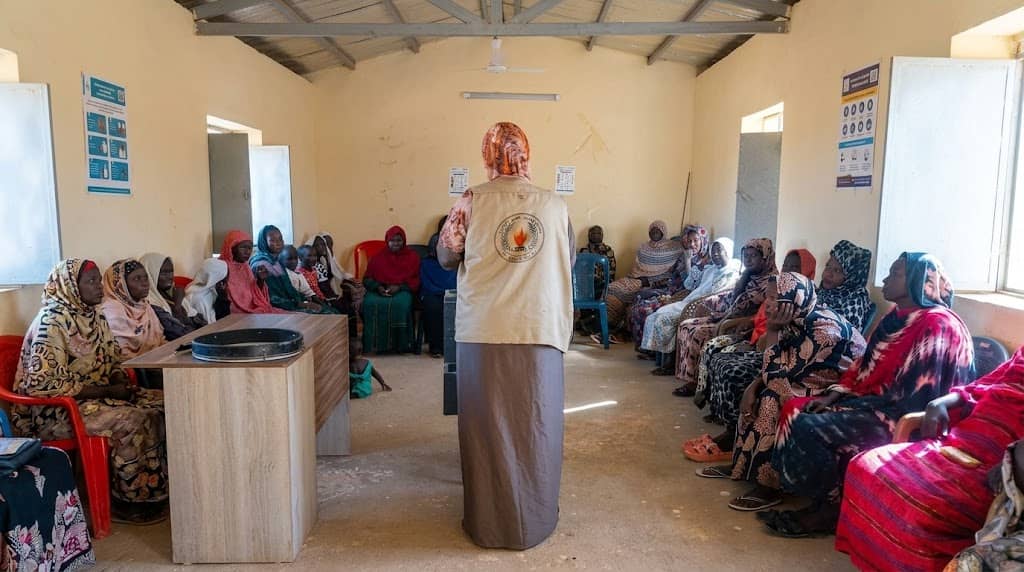
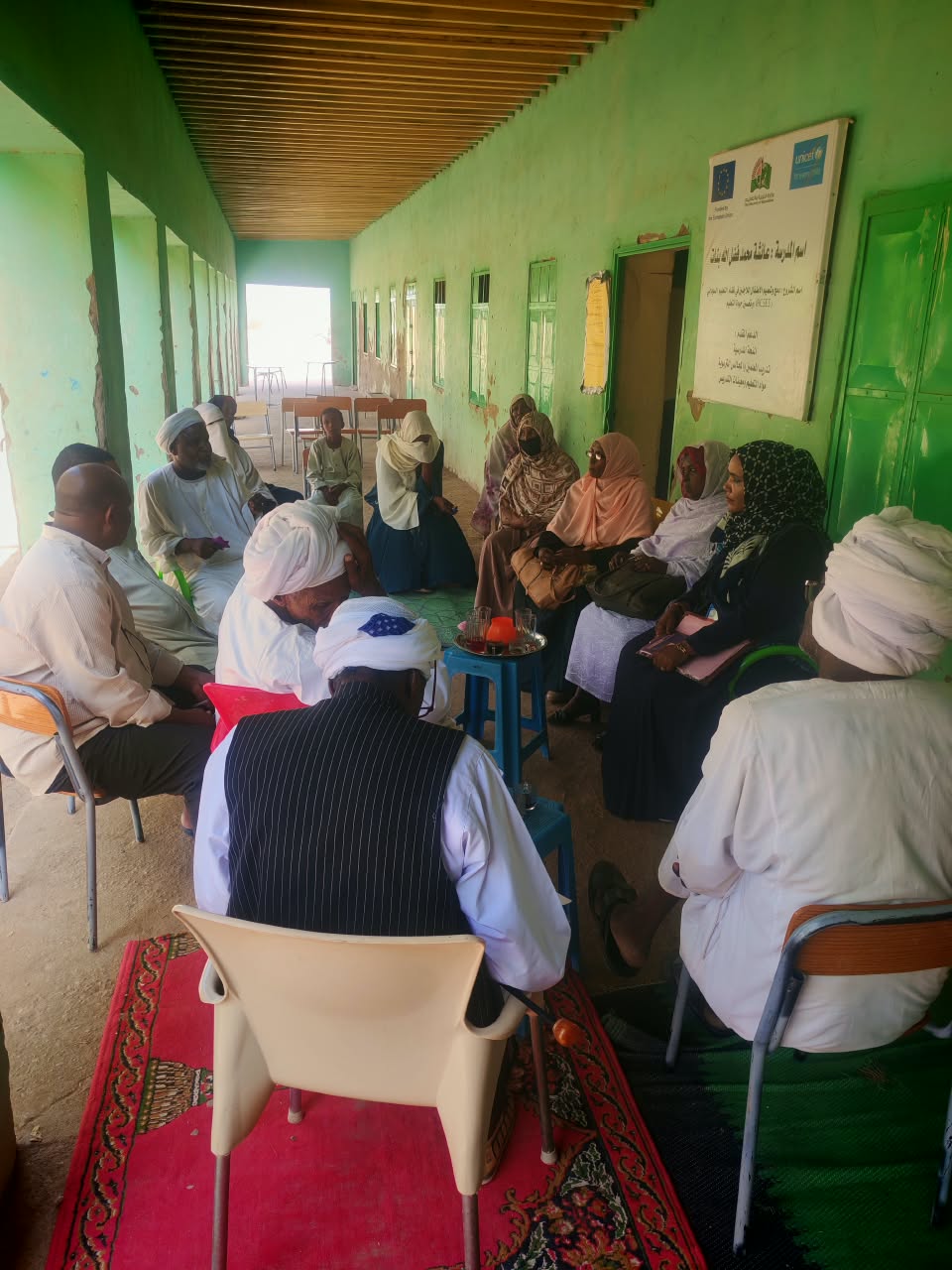
As part of the implementation of the Strengthening Community Resilience and Recovery Project (Thabat 2), which aims to enhance the capacity of local communities to adapt to and recover from challenges through support to agricultural associations in the targeted localities, ten farmers participated in a Training of Trainers (ToT) program. Each farmer represented one agricultural association out of the 22 associations previously selected. The trained farmers are expected to transfer the knowledge and skills acquired during the training to the other members of their respective associations, thereby expanding the reach of the training and strengthening farmers’ technical capacities.
As part of the project’s complementary activities, a field visit to DAL Group was conducted on 14 January 2026 to explore modern technologies in water management and agricultural irrigation. The visit included an introduction to center-pivot irrigation systems, drip irrigation systems, and a water treatment plant, as well as an overview of the role of these technologies in improving water-use efficiency and promoting sustainable agricultural practices.
These activities are part of the project’s broader efforts to build farmers’ capacities, strengthen the role of agricultural associations in knowledge transfer and experience sharing, and promote the adoption of modern agricultural technologies. These efforts aim to improve agricultural productivity and enhance the resilience and recovery capacity of local communities.