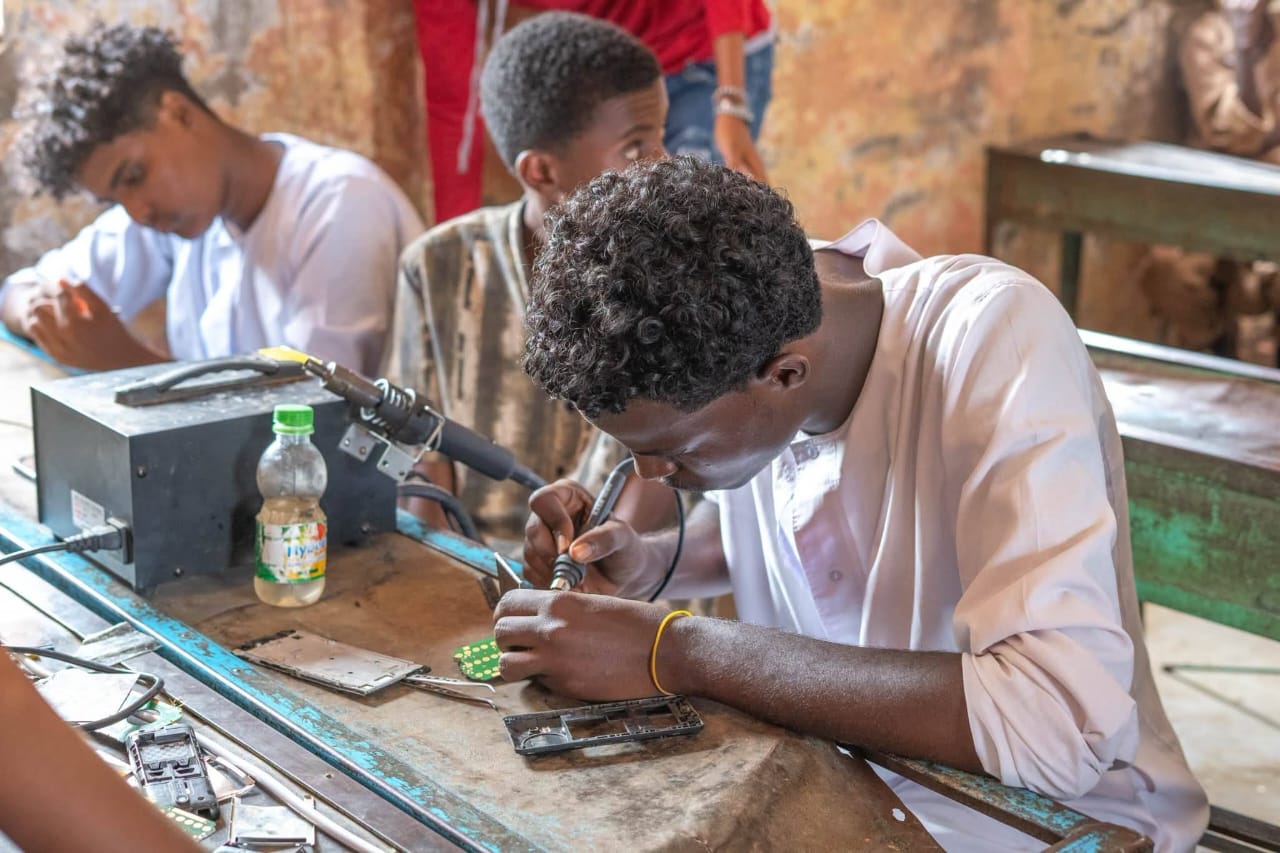
From Training to Impact: 150 Adolescents Turn Vocational Skills into Opportunities for Productivity and Livelihoods at Shagarab Camp
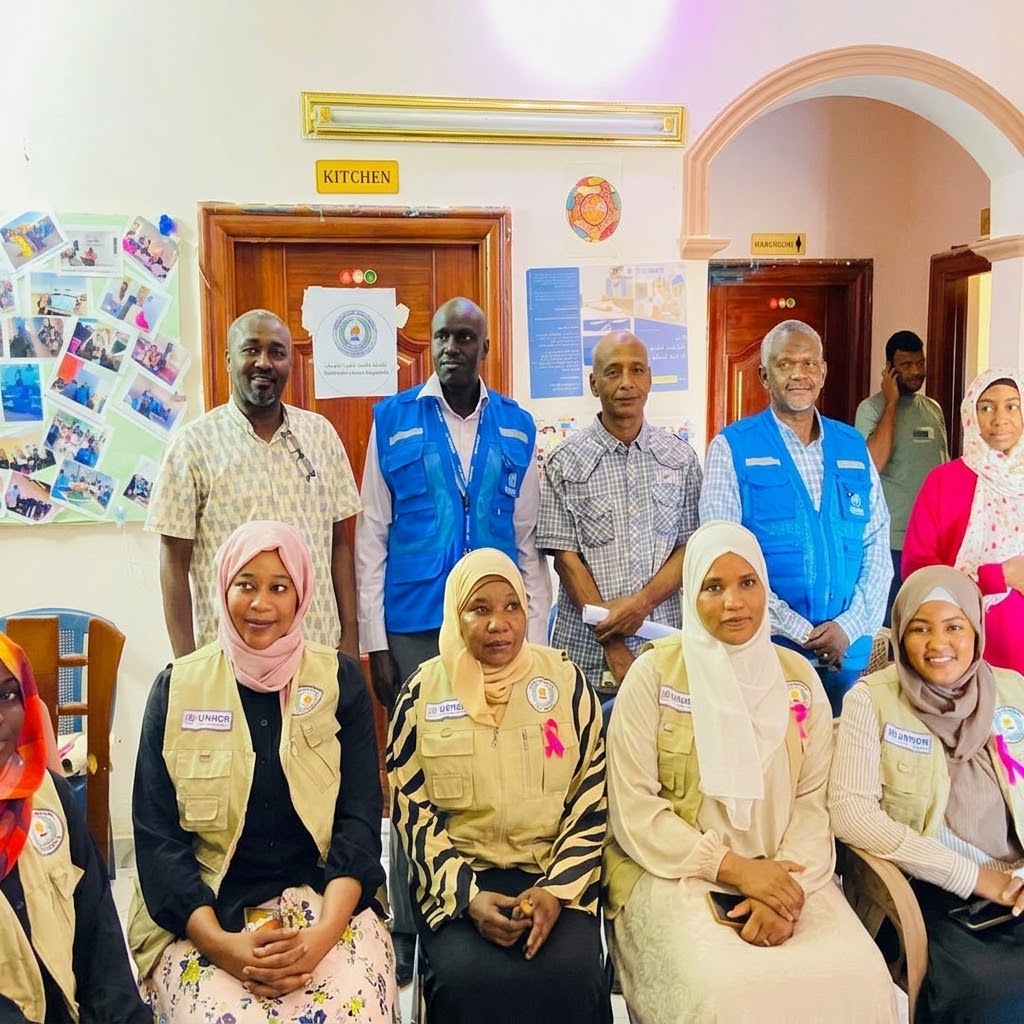
Kassala – Shagarab Camp: The 60-day vocational training program conducted at Shagarab Refugee Camp was more than just a period of learning and skills development; it marked the beginning of new opportunities for productivity and self-reliance. Several trainees have already begun applying their newly acquired skills by providing services and undertaking practical work, helping to expand their livelihood opportunities and build a more stable future.
Kassala – Shagarab Camp: The 60-day vocational training program conducted at Shagarab Refugee Camp was more than a period of learning and skills development; it marked the beginning of new opportunities for productivity and self-reliance. Several trainees have already begun applying their newly acquired skills by providing services and undertaking practical work, helping improve their livelihood opportunities and build a more stable future.
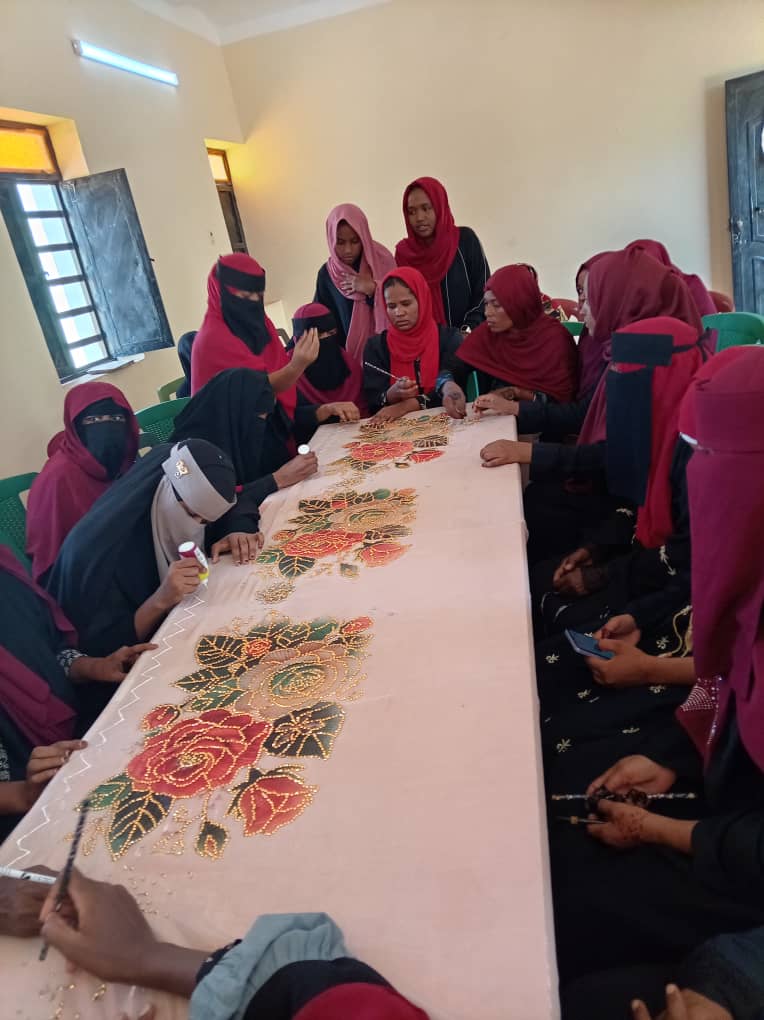
Through a collaborative effort between JASMAR Organization for Humanitarian Security and the Success Skills Centre, with funding from the United Nations Children’s Fund (UNICEF), 150 adolescent boys and girls participated in an intensive 60-day vocational training program covering five professional fields: sewing and tailoring, henna art and makeup, solar energy, smartphone repair, and metalworking and welding.
The outcomes of the training have extended beyond theoretical instruction and workshop-based practice, translating into practical applications that are opening new pathways to employment and productivity for participants. Female trainees in henna art and makeup have begun offering paid services, while those trained in solar energy have acquired the skills needed to install and maintain solar power systems, enabling them to apply their expertise to meet community needs.
In smartphone repair and sewing and tailoring, several trainees have started providing services to their families and acquaintances. This represents an important transition from learning to practical application and lays the foundation for developing these skills into sustainable income-generating activities in the future.
In metalworking and welding, the practical achievements of the training were particularly evident. Trainees manufactured a range of household furniture and fittings, including beds, doors, tables, and windows. This accomplishment demonstrates their ability to apply the skills they have acquired to practical production and transform their knowledge into tangible products.
These experiences highlight the role of vocational training as a tool for economic and social empowerment. Its value extends beyond knowledge transfer to include strengthening practical competencies, building self-confidence, and preparing participants to access opportunities in the labour market. The true impact of training begins when skills are put into practice, practice leads to production, and production creates opportunities to improve income and strengthen independence.
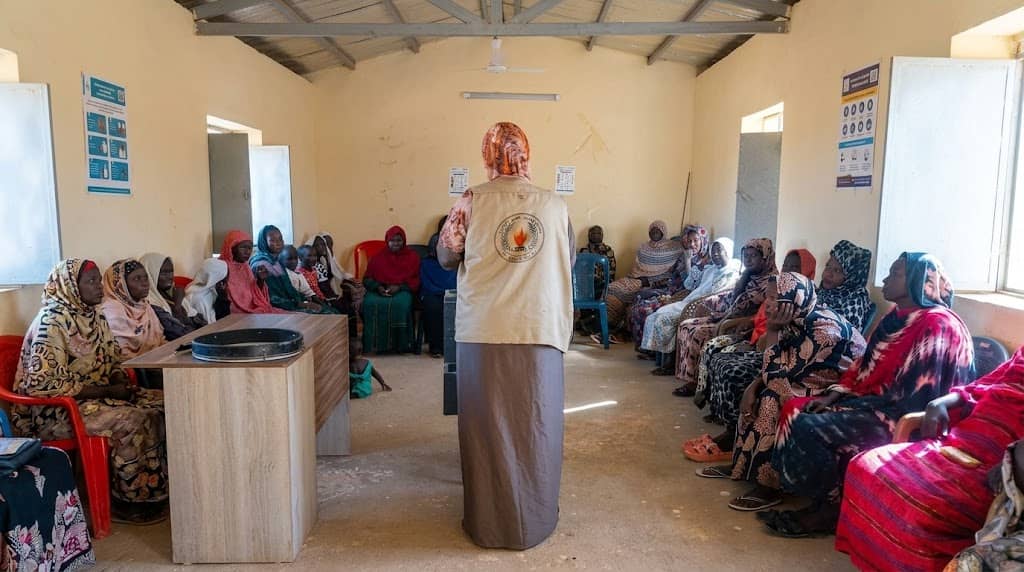
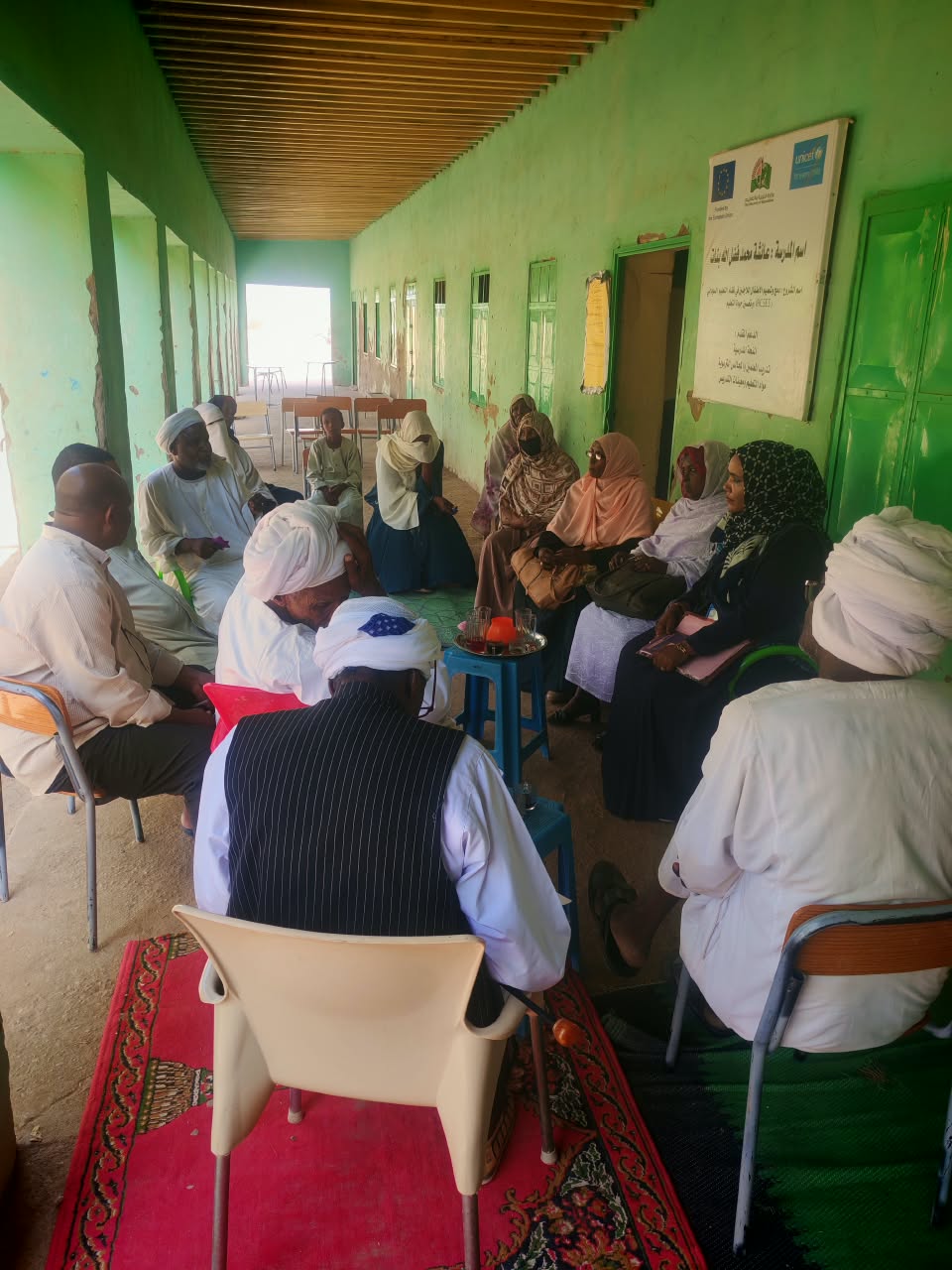
The program forms part of broader efforts to empower adolescents and young people from refugee and host communities by expanding access to vocational skills that can help them address economic challenges and contribute meaningfully to the development of their communities.
150 adolescents, five vocational fields, and 60 days of training — yet the real impact begins now, as skills become a means of production, an opportunity for employment, and a stepping stone towards a more self-reliant future.
JASMAROrganization for Humanitarian Security
Shagarab Camp, Wad Al-Hilew Locality, Kassala State, Sudan.