
 Completed
Sudan Emergency and Famine Response Inittevite Project (SEFRI)
Sudan Emergency and Famine Response Inittevite Project (SEFRI)
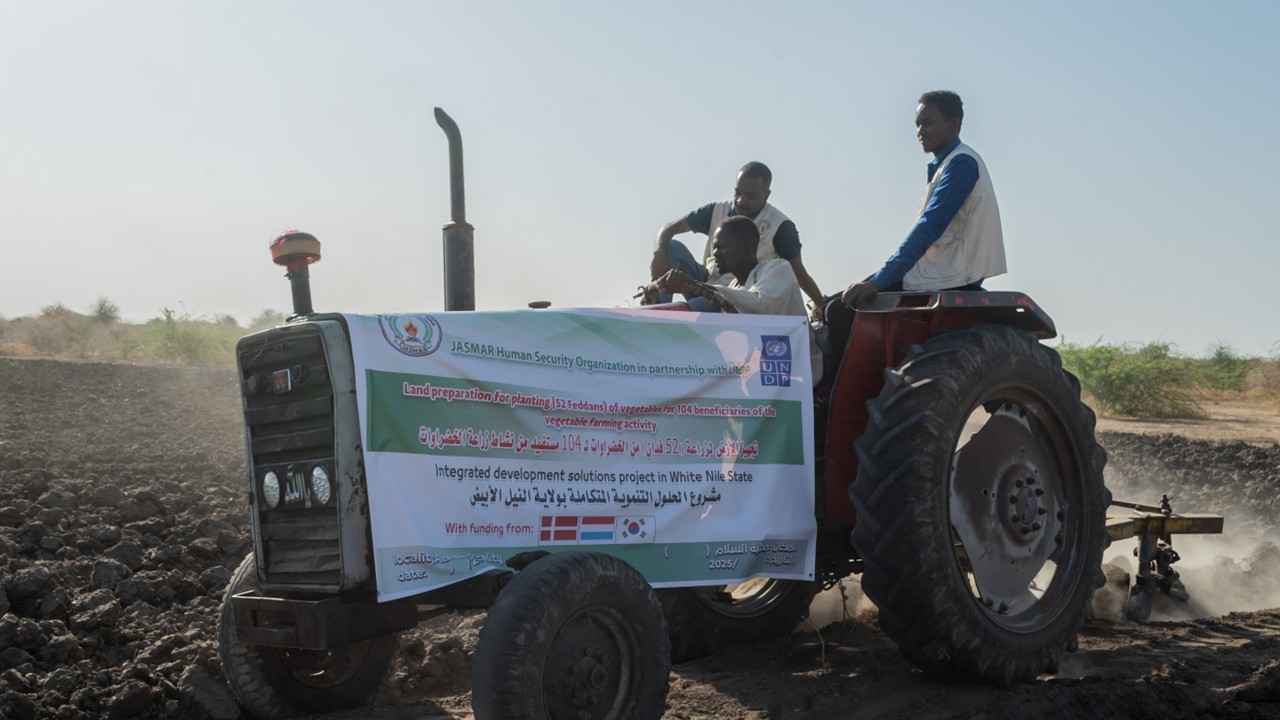
JASMAR Human Security Organization, in partnership with the United Nations Development Programme (UNDP), implemented the Sudan Emergency and Famine Response Initiative (SEFRI), targeting the host community in Algamaia, Alsalam locality, White Nile State. The initiative also supported livelihoods and promoted peaceful coexistence and social cohesion between host communities and refugees from South Sudan.
The project focused on strengthening self-reliance and community resilience through local governance and committee capacity-building, agricultural production, livelihood diversification, economic empowerment, and improved access to safe water and essential services.
Humanitarian Response and Context
Amid growing humanitarian needs and pressure on essential resources and services, interventions that address immediate needs while strengthening communities’ capacity for self-reliance are particularly important. JASMAR responded by supporting sustainable community-led initiatives, expanding opportunities for food production and income generation, strengthening community savings and financing mechanisms, and improving access to water. These interventions were designed to support resilience, stability, and social cohesion.
Project Objectives
• Strengthen community governance, participation in local decision-making, and peacebuilding capacities.
• Improve livelihoods and food security through agricultural production, goat rearing, and income-generating activities.
• Promote economic empowerment, particularly among women and youth, through savings groups, community financing, and entrepreneurship training.
• Support peaceful coexistence and social cohesion between host communities and refugees from South Sudan.
• Improve access to safe water and reduce the burden associated with water collection.
Key Achievements
Community Governance and Peacebuilding
• Established and officially registered the Community Management Committee (CMC), conducted a capacity gap assessment, and developed a tailored training curriculum.
• Formed two Peacebuilding Committees and trained committee members in meeting management, minute-taking, financial record-keeping, local savings mechanisms, monitoring, and supervision.
• Opened a bank account for the CMC to strengthen financial transparency and accountability.
• Provided an eight-room hall, 150 plastic chairs, 15 plastic tables, and four water containers to support committee meetings and community activities.
• Continued monitoring, supervision, and guidance to support the CMC in applying its skills and sustaining its activities.
Livelihoods and Agricultural Production
• Provided 150 host community members with vegetable production inputs, including assorted seeds, tools, and fertilizers.
• Organized 300 households into self-help groups, with women accounting for 70% of participants, and supported access to and preparation of land for vegetable cultivation across 26 faddan.
• Rehabilitated irrigation pumps and provided irrigation cartridges to 150 households, alongside training in modern farming techniques and agricultural extension services.
• Distributed three milk goats to each of 100 female-headed households to strengthen household food security, with particular attention to children under five.
Economic Empowerment and Community Savings
• Established 15 new Village Savings and Loan Associations (VSLAs) and reactivated 16 existing groups.
• Provided essential equipment and training to all 31 groups, comprising more than 600 members.
• Supplied start-up kits and capital to 10 groups to establish income-generating ventures, including beauty shops, supermarkets, and traditional perfume-making businesses.
• Trained 100 young people in business and entrepreneurship and provided start-up capital and kits to help them launch their own enterprises.
Water, Sanitation and Hygiene (WASH)
• Installed a new engine at the Asoula water station and established a donkey-cart water distribution system to support water access for 775 households, under the oversight of the Water and Environmental Sanitation (WES) authority.
• Installed two new water points in the Dibeiba area, equipped with tap stands and protective fencing, improving access to safe water for 456 households in coordination with the WES authority.
Impact on Beneficiaries
The project strengthened community capacity for local governance and peacebuilding by supporting community committees with training, equipment, and ongoing guidance. It also expanded opportunities for self-reliance and improved livelihoods through agricultural production, goat rearing, savings and loan groups, and small businesses, with a strong focus on women’s participation and youth empowerment.
WASH interventions improved access to safe water for a total of 1,231 households in Asoula and Dibeiba, while reducing the time and distance required to collect water in Dibeiba. Overall, the initiative supported livelihood opportunities, household food security, social cohesion, and the resilience of targeted communities facing humanitarian and economic challenges.
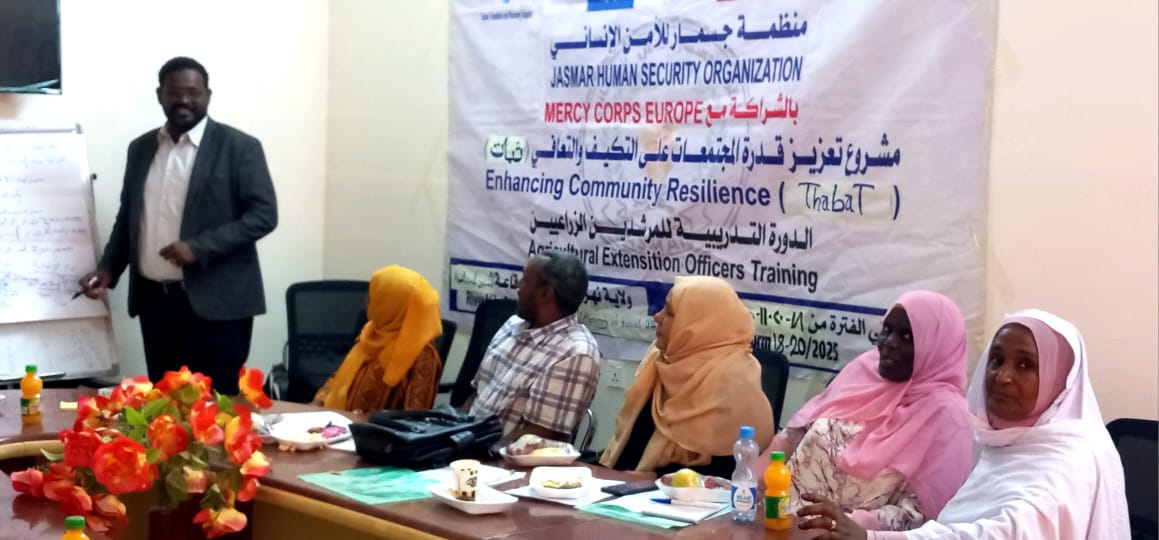
Enhancing Community Recilience (THABAT) Project
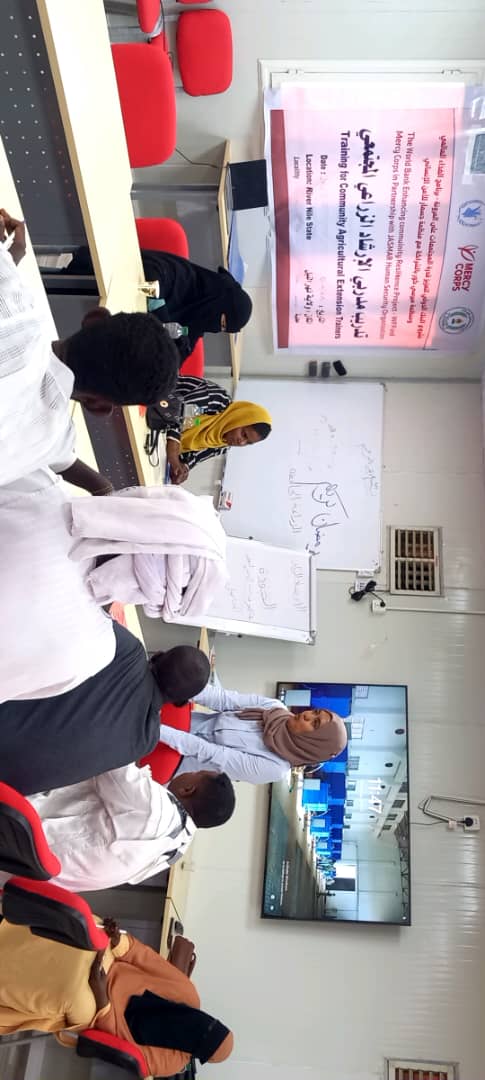
Enhancing Community Resilience (THABAT) 1 Project
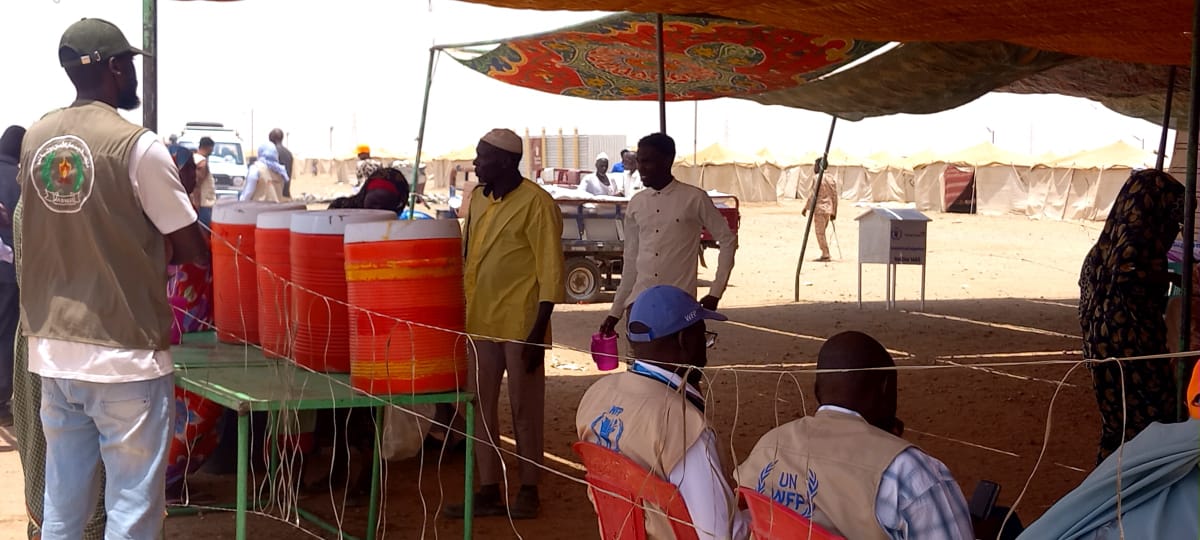
General Food Assistence (GFA) Project
Interested in supporting this project?
Join JASMAR and help us work for human prosperity and dignity across Sudan.