
 Completed
Cholera Prevention Through Emergency WASH Interventions in Vulnerable Areas
Cholera Prevention Through Emergency WASH Interventions in Vulnerable Areas
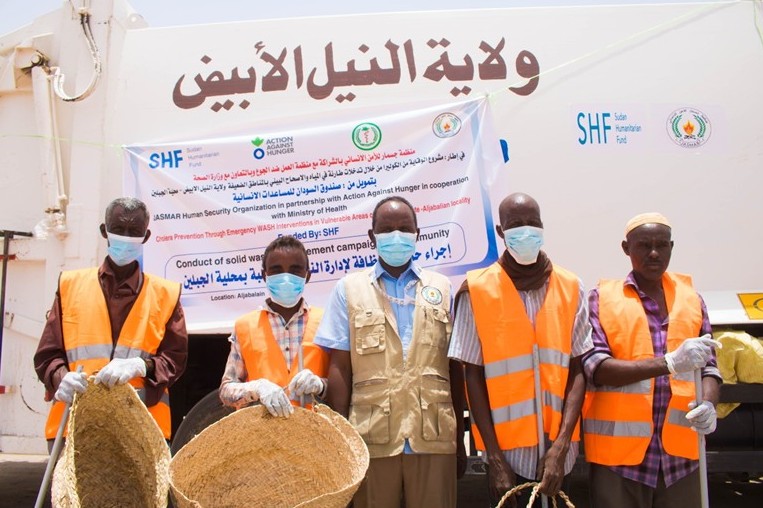
JASMAR Human Security Organization, in partnership with Action Against Hunger (AAH) and funded by the Sudan Humanitarian Fund (SHF), implemented the project “Cholera Prevention Through Emergency WASH Interventions in Vulnerable Areas of White Nile State, Al-Jabalain, locality.” The project aimed to strengthen cholera prevention and control through emergency water, sanitation, and hygiene (WASH) interventions targeting vulnerable and at-risk populations.
Humanitarian Response
The cholera outbreak in White Nile State resulted in 11,633 reported cases and 432 deaths across nine localities as of 20 April 2025. Conflict, displacement, disrupted water systems, poor sanitation, and limited access to safe drinking water increased transmission risks, particularly among vulnerable communities. The project responded through emergency WASH interventions to improve water safety, sanitation, hygiene practices, and cholera prevention in high-risk areas.
Project Objectives
The project aimed to reduce the incidence and mortality of acute watery diarrhoea (AWD) and cholera among at-risk and vulnerable populations in White Nile State by ensuring timely and sustained access to appropriate WASH prevention and response measures, including safe drinking water, adequate sanitation facilities, and hygiene promotion.
Key Interventions
Key interventions included water quality monitoring, household water treatment through chlorine tablet distribution, disinfection of water transport containers, establishment of handwashing facilities in cholera treatment and health facilities, provision of cleaning materials and solid waste management tools, community cleaning campaigns, distribution of hygiene kits to households affected by cholera, hygiene promotion sessions, distribution of personal protective equipment (PPE) to cholera response teams, dissemination of information, education and communication (IEC) materials, training of community volunteers in water quality monitoring, and joint field monitoring visits with relevant authorities.
Key Achievements
The project achieved the following results:
• Water Quality Monitoring: Conducted 24 water quality monitoring visits in areas at high risk of cholera. A total of 189 water samples were collected from households and water supply networks and tested to assess their safety for drinking.
• Household Water Treatment: Distributed 30,480 chlorine tablets across nine targeted locations to support household-level drinking water treatment. A total of 2,164 households benefited from the distribution of chlorine tablets.
• Disinfection of Water Transport Containers: Disinfected 109,635 jerrycans, 60,064 donkey carts, and 178 water trucks to reduce the risk of water contamination during transportation. Awareness-raising activities associated with this intervention reached 118,765 beneficiaries.
• Establishment of Handwashing Facilities in Health Facilities: Established 10 handwashing facilities across three facilities in Al-Jabalain Locality: Al-Jabalain Cholera Treatment Centre (CTC), Joda Cholera Treatment Unit (CTU), and Kenana Al-Togaba CTU. These facilities served a total of 268 beneficiaries per day.
• Provision of Cleaning Materials and Solid Waste Management Tools: Distributed cleaning materials and solid waste management supplies to the three targeted health facilities. Supplies included liquid soap, mops, handled brushes, plastic buckets, toilet jugs, towels, bar soap, plastic bags, and waste bins to support hygiene and infection prevention and control.
• Community Solid Waste Management Campaigns: Conducted 29 cleaning campaigns over a 30-day period across 72 locations identified as high-risk areas in Al-Jabalain Locality, extending from Joda in the south to Kenana in the north. The campaigns resulted in the collection and transportation of 527 tonnes of solid waste to designated incineration sites. The campaigns covered 25,559 households and involved 1,102 participants. The project also distributed 60 rakes and 60 locally made baskets to support community cleaning activities.
• Distribution of Hygiene Kits: Distributed 400 hygiene kits to households in the Joda–Altebon IDP areas and Joda–Kaja, reaching a total of 2,495 beneficiaries, including men, women, boys, and girls. The kits supported affected households in maintaining personal hygiene and reducing exposure to infection.
• Hygiene Promotion: Conducted 84 hygiene promotion sessions across 12 locations in Al-Jabalain Locality, reaching 2,713 people, including 451 adult men, 1,607 adult women, 286 boys, and 369 girls. The sessions covered handwashing at critical times, household water treatment, proper latrine use, safe water management, and solid waste management.
• Distribution of Personal Protective Equipment (PPE): Distributed personal protective equipment, including hand sanitizers, gloves, masks, and safety boots, to cholera response teams operating at cholera treatment facilities in Joda, Al-Jabalain, and Abutogaba to help reduce their exposure to infection risks.
• Printing and Distribution of Information, Education and Communication (IEC) Materials: Printed and distributed 300 IEC materials across nine locations, comprising 220 posters and 80 leaflets. The materials covered handwashing, water chlorination, safe waste disposal, and proper latrine use, reaching a target population of 1,403 people.
• Training of Community Volunteers: Trained 20 community volunteers in water quality monitoring, including free residual chlorine (FRC) measurement, pH testing, and bacteriological water testing. The volunteers were also provided with water testing tools to support community-level water quality monitoring.
• Joint Field Monitoring Visits: Conducted four joint field monitoring visits in coordination with the Humanitarian Aid Commission (HAC) and the State Ministry of Health and Social Development (SMoHSD). The visits helped identify implementation challenges, document observations, and develop recommendations to improve the quality and effectiveness of project interventions.
Overall Project Impact
The project strengthened cholera prevention and infection control through improved household water treatment, hygiene promotion, waste management, and hygiene facilities in health centers. It also supported affected households, frontline response teams, and community volunteers, contributing to safer hygiene practices and improved local capacity to address cholera-related risks.
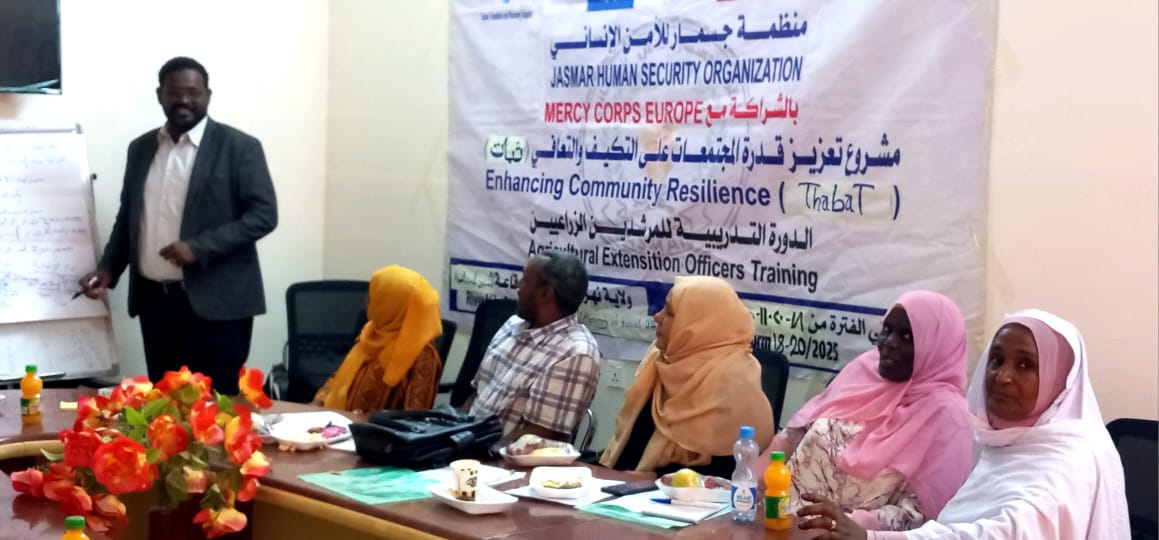
Enhancing Community Recilience (THABAT) Project
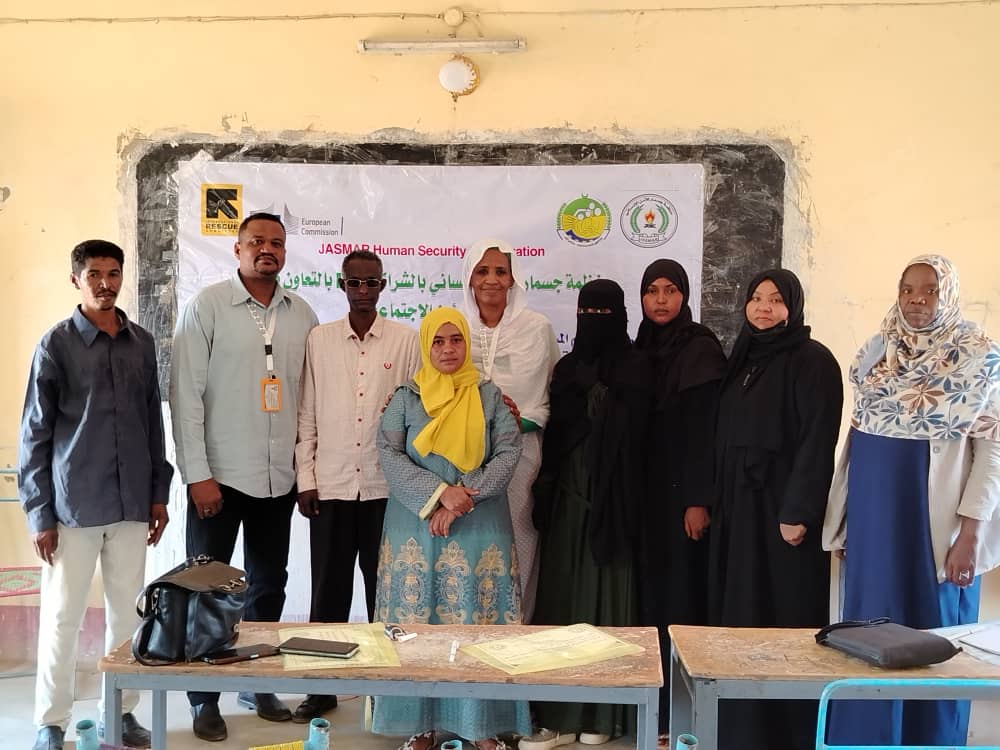
Providing life-saving emergency assistance through multi-sectoral response for t
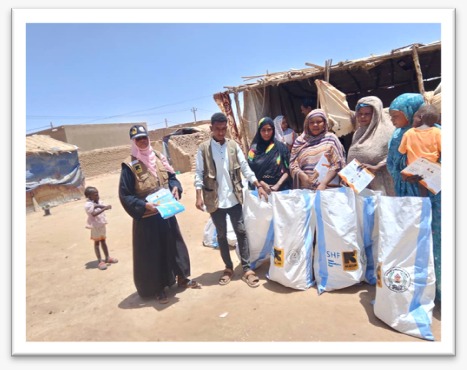
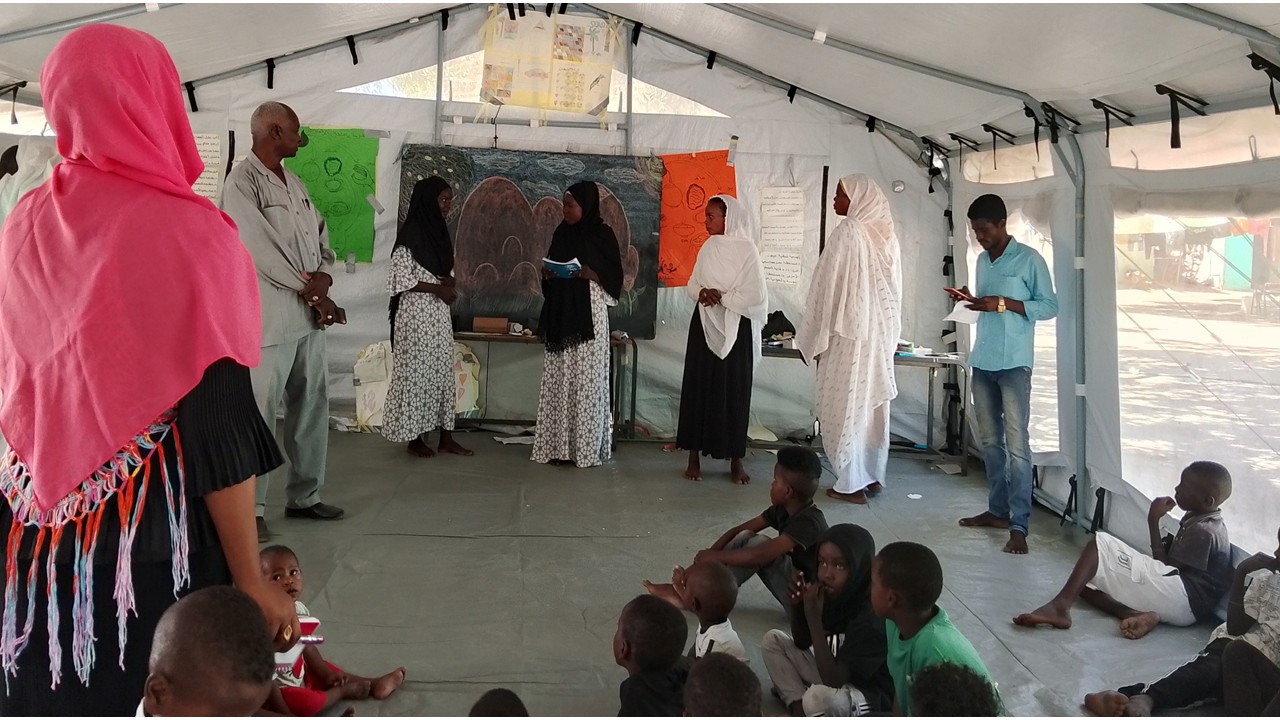
Promoting Safe and Child-Friendly Learning Spaces for Psychosocial Support
JASMAR Human Security Organization in partnership with UNICEFThe project aimed to provide safe, inclusive, and child-friendly learning environments for children...
Interested in supporting this project?
Join JASMAR and help us work for human prosperity and dignity across Sudan.